Tainted Heritage – a.k.a Weird Shit Is Going to Happen
Play Tainted Heritage – a.k.a Weird Shit Is Going to Happen
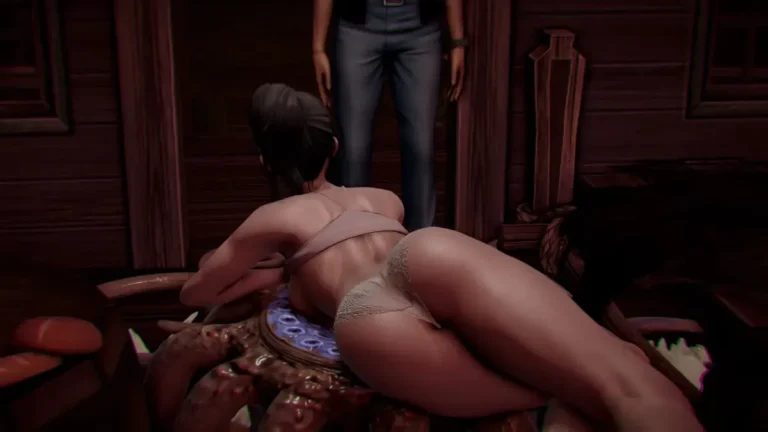
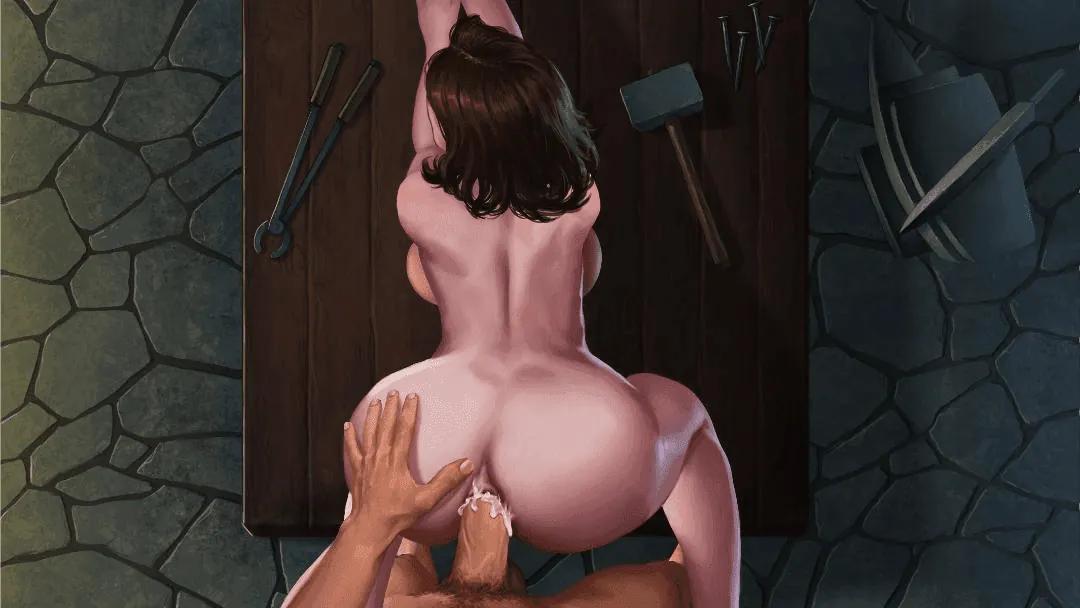
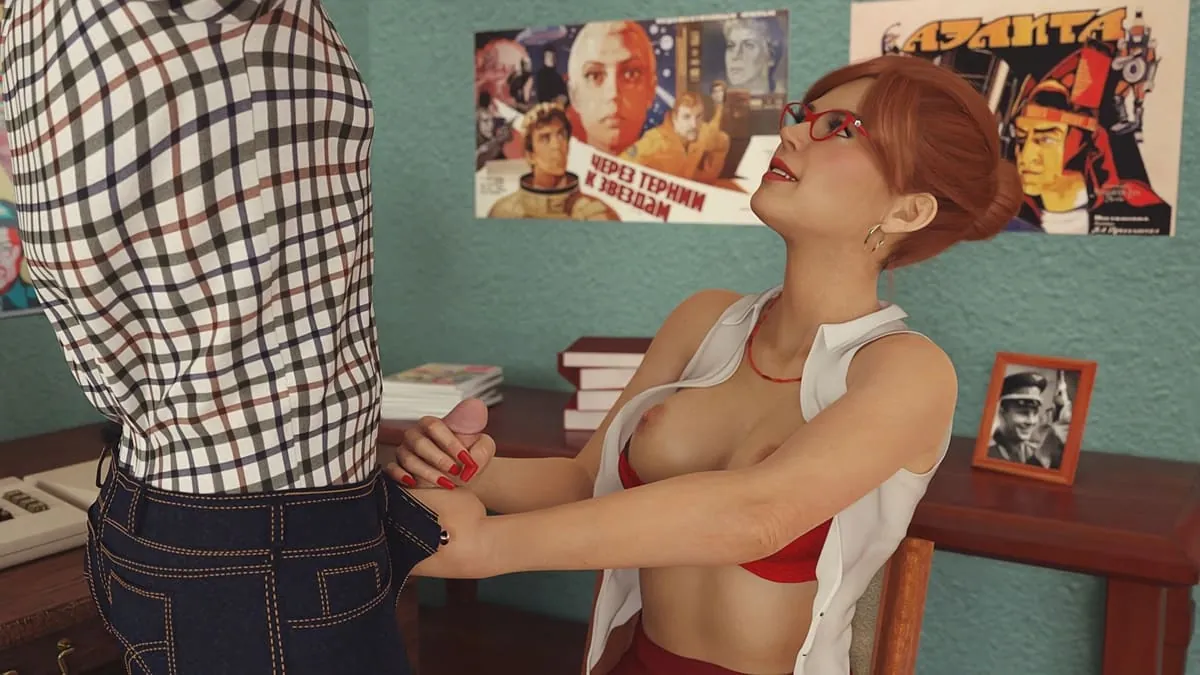
Tainted Heritage – a.k.a Weird Shit Is Going to Happen Screenshots
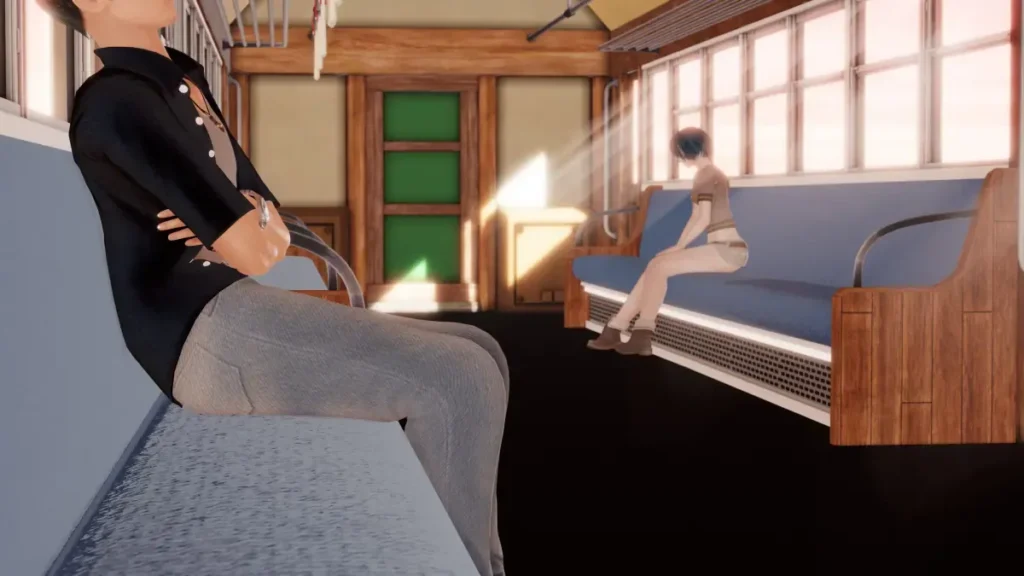
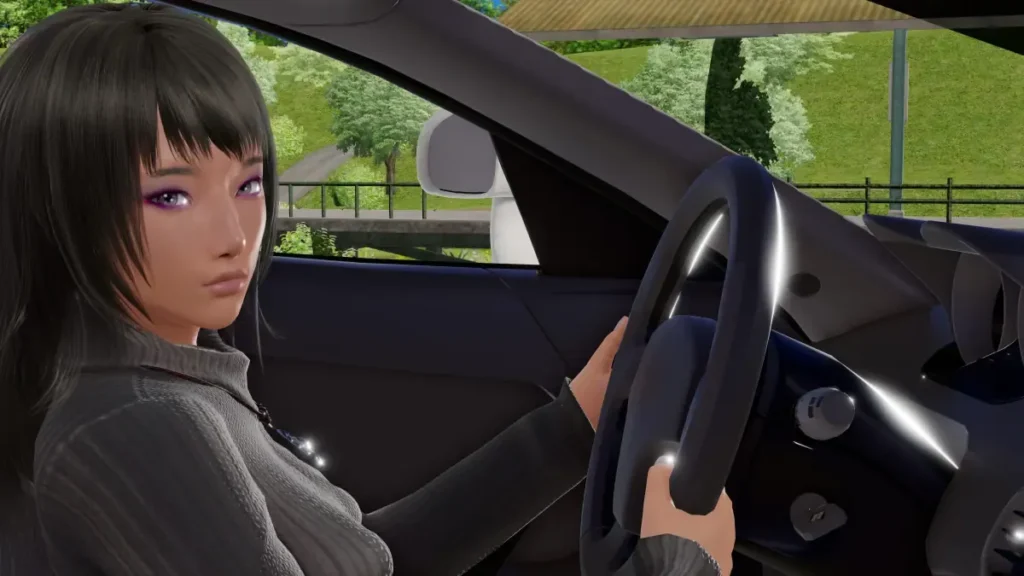
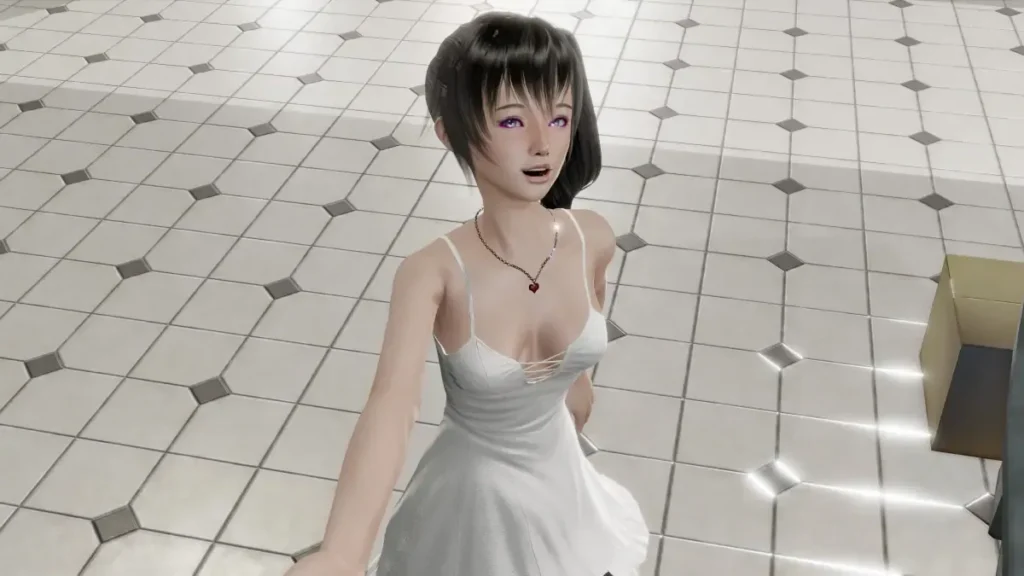
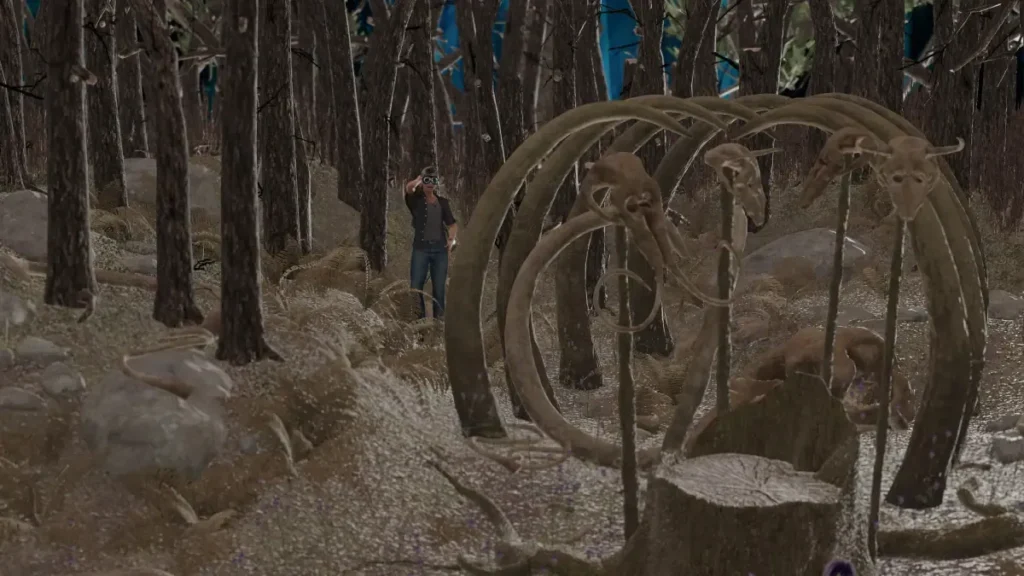
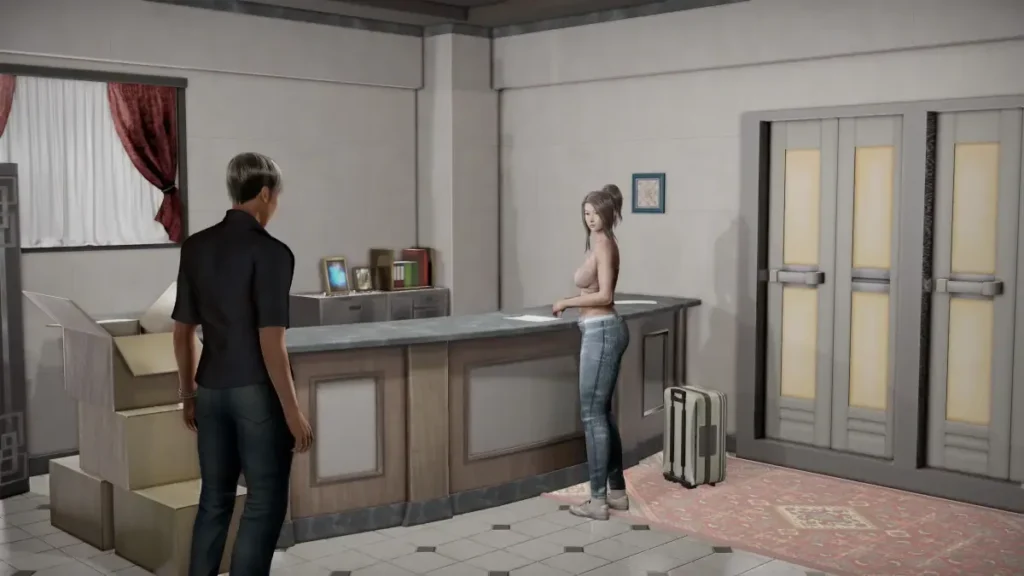
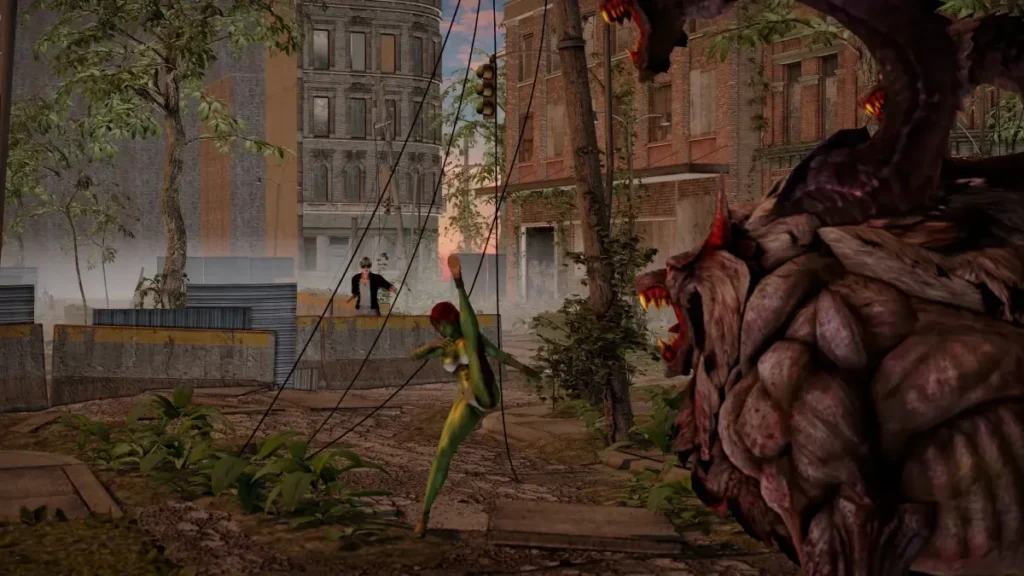
Tainted Heritage – a.k.a Weird Shit Is Going to Happen review
Exploring unconventional storytelling in this choice-driven visual novel experience
Tainted Heritage stands out in the visual novel landscape as a game that deliberately challenges conventional narrative expectations. This choice-driven experience centers on a protagonist whose life takes a mysterious turn after receiving a letter from an estranged grandmother, setting off a cascade of inexplicable events. Unlike traditional visual novels with linear progression, Tainted Heritage emphasizes player agency through complex relationship webs, consequence-driven storytelling, and environmental narrative elements that respond to your decisions. Whether you’re drawn to experimental game design, meaningful character interactions, or branching story paths that create uniquely personal experiences, this indie title offers something distinctly different from mainstream gaming offerings.
Understanding Tainted Heritage’s Unique Narrative Framework
Let’s be honest: how many times have you played a choice-based storytelling game and felt like your decisions were just an illusion? 🤔 You pick the “rebel” option, the “diplomat” option, or the “romantic” option, only to find they all funnel you toward one of three predetermined endings. It can leave you wondering what the point was.
Tainted Heritage—or as its community lovingly calls it, Weird Shit Is Going to Happen—throws that entire rulebook out the window. This isn’t about picking a lane to a known destination. It’s about being handed a brush and a vast, shifting canvas, where every stroke changes the entire painting. The Tainted Heritage narrative design is built on a simple, radical idea: your choices don’t just change the story’s path; they fundamentally alter its meaning, its texture, and your personal relationship to it.
How Choice-Based Storytelling Creates Personal Narratives
Most choice-based storytelling games operate like a subway map. 🗺️ You start at Point A, and your decisions let you hop between a few fixed lines (branching story paths) that lead to stations B, C, or D. You might see different scenery along the way, but the stations themselves are built and waiting for you.
Tainted Heritage discards the map. Instead, it gives you a compass, a terrain that morphs based on your steps, and a destination that is defined by your journey. The core events—certain key scenes and characters—might remain consistent across playthroughs. But their context, their emotional weight, and the truths they reveal are entirely shaped by your accumulated decisions.
This is where player agency in games reaches a new level. Your agency isn’t about selecting an outcome; it’s about constructing a perspective. For example, a central character’s tragic death might be:
* A devastating personal failure in one playthrough because you failed to earn their trust.
* A necessary sacrifice for the greater good in another, because you uncovered a dark secret about them.
* A manipulated event in a third, part of a conspiracy you helped enable.
The “what” happens can be similar, but the “why” and the “how it feels” are yours alone. This approach to consequence-driven gameplay means two players can have wildly different interpretations of the same story beats, leading to heated, wonderful debates about what really happened. Your interpretation isn’t just valid; it’s the point.
The Consequence Timeline: Decisions That Echo Through Gameplay
This is the beating heart of the Tainted Heritage narrative design: the Consequence Timeline. 🫀 Forget immediate rewards or punishments. In many games, a big choice leads to a big reaction in the next scene. Here, your major decisions are like throwing a stone into a pond in Chapter 1… and then waiting to see which chapters later the ripples finally reach the shore, often in ways you never anticipated.
A choice you make about a seemingly minor political alliance in the early game might not pay off until much later, not with a direct “thank you,” but by altering the landscape of power in a way that opens—or closes—a crucial dialogue option when you’re trying to solve a supernatural mystery. The game has a long memory, and it’s constantly weaving your past actions back into the present narrative fabric.
Think of it like this: Lying to a friend to protect them might make a scene easier now. But ten hours later, when you need absolute trust to confront a cosmic horror, that lie resurfaces as a crack in your solidarity, potentially dooming you both. The game doesn’t flash a sign saying “Consequence of Chapter 2 Lie!” It simply makes the world remember.
This system is a masterclass in consequence-driven gameplay. It forces you to live with your decisions, not just for the next five minutes, but for the entire journey. It makes every choice feel weighty and authentic, because you genuinely cannot predict the full chain of events you’re setting in motion.
Let’s look at a practical example of how this unconventional visual novel mechanics create divergent experiences:
| Traditional Visual Novel Approach | Tainted Heritage’s Approach |
|---|---|
| Choice: “Investigate the old archives” or “Question the village elder.” Each leads to a unique cutscene revealing a fixed piece of lore. | Choice: Allocate your limited time over several days. Do you research the strange family history, help a friend in crisis, or investigate the eerie local phenomena? Each action builds a different “profile” of knowledge and relationships. |
| Outcome: You get “Lore Path A” or “Lore Path B.” The story acknowledges your choice but continues on a largely set track. | Outcome: Weeks later, you face a being from the family’s past. Your understanding of it—is it a victim, a monster, or a guardian—is filtered entirely through the lens of the knowledge you *chose* to prioritize. The dialogue, your options, and the possible resolutions are dynamically built from your personal investigative history. |
| Player Feeling: “I saw a different scene.” | Player Feeling: “I understood a different truth.” |
This is the core of its choice-based storytelling games philosophy. The narrative isn’t branching to different endings; it’s branching from your unique perspective, creating a story that feels privately yours.
Environmental Storytelling and World Responsiveness
Great environmental storytelling examples in games often involve static details—a poignant diary entry, a carefully arranged room—that hint at a backstory. Tainted Heritage takes this concept and makes it dynamic and responsive. The world itself is a character that reacts to your story’s progression.
This isn’t just about unlocking new areas. It’s about the spaces you know changing based on the narrative seeds you’ve planted. Your choices have a visual, atmospheric impact. 👁️
- Political Power Shift: If you’ve supported a particular faction, you might later see their colors and banners subtly appearing in the town square, or their guards patrolling areas that were once neutral.
- Supernatural Influence: As you delve deeper into certain mysteries, the visual filters might shift. Shadows could grow longer and more distorted, or faint, otherworldly sigils might become visible in the architecture of key locations—but only if your choices have opened your eyes to that layer of reality.
- Personal Relationships: The state of a friend’s home might reflect their emotional arc, which is directly tied to your interactions. A once-cluttered, lively room becoming stark and empty tells a story of loss without a single line of dialogue.
These are environmental storytelling examples that move beyond backdrop. They are the game world holding up a mirror to your journey. You’re not just reading a story; you are inscribing it onto the environment. This profound world responsiveness ensures that your playthrough feels visually distinct and personally curated, reinforcing the sense that your version of events is tangibly shaping reality.
FAQ: Your Questions About Tainted Heritage’s Narrative
Q: How is this different from a game with just a lot of endings?
A: It’s a difference of philosophy. A game with many endings is about finding the right combination of choices to reach a specific conclusion. Tainted Heritage is about the meaning of the journey itself. The “end” is less important than the deeply personal narrative you’ve lived. Two players might reach a similar story state, but the emotional and thematic resonance will be completely different based on how they got there.
Q: Is it overwhelming? How do I know what to do?
A: The game encourages you to let go of the “right way” mentality. 🧘 There is no perfect walkthrough. The most rewarding approach is to role-play authentically. Make choices that feel true to your character or your curiosity in the moment. The narrative is designed to be compelling and coherent no matter what you do, weaving your actions—”good” or “bad”—into a meaningful tapestry.
Q: Can I actually miss huge parts of the story?
A: You will always experience a complete, gripping narrative. However, you will absolutely miss specific interpretations, character depths, and layers of truth. That’s the beauty of it. The game is built for replayability not just to see “what you missed,” but to experience how different priorities create a wholly new story from the same core components.
Q: Does the “Weird Shit” feel random, or does it connect to my choices?
A: Absolutely the latter. The supernatural and bizarre elements are deeply woven into the consequence-driven gameplay. The “weird shit” that happens is often a direct or indirect result of the narrative and metaphysical ripples from your earlier decisions. It never feels random; it feels eerily, meaningfully connected to your actions.
In the end, Tainted Heritage represents a bold evolution in choice-based storytelling games. It asks more of you than just picking options. It asks for your interpretation, your emotional investment, and your willingness to sit with uncertainty. By masterfully blending long-term consequence systems, perspective-altering narrative design, and a responsive world, it creates something rare: a story that truly feels like your own secret, a personal myth where you are both the protagonist and the author. Your legacy isn’t just tainted—it’s uniquely, wonderfully yours. ✨
Tainted Heritage represents a bold departure from conventional visual novel design, offering players an experience that prioritizes meaningful choice, complex relationships, and narrative depth. Through its innovative consequence timeline system, intricate relationship web mechanics, and environmental storytelling approach, the game creates deeply personal narratives where your decisions genuinely matter. The protagonist’s journey from loss and despair to uncovering mysterious truths provides an emotionally resonant backdrop for exploration and discovery. Whether you’re drawn to experimental game design, branching narratives that reward multiple playthroughs, or character-driven storytelling that challenges your expectations, Tainted Heritage delivers a unique gaming experience that celebrates the unconventional. If you appreciate visual novels that treat player agency seriously and aren’t afraid to subvert traditional storytelling conventions, this indie title deserves your attention. Discover what makes Tainted Heritage a standout in the indie gaming landscape by experiencing firsthand how your choices shape an unforgettable narrative journey.