TableTop BornStar
Play TableTop BornStar
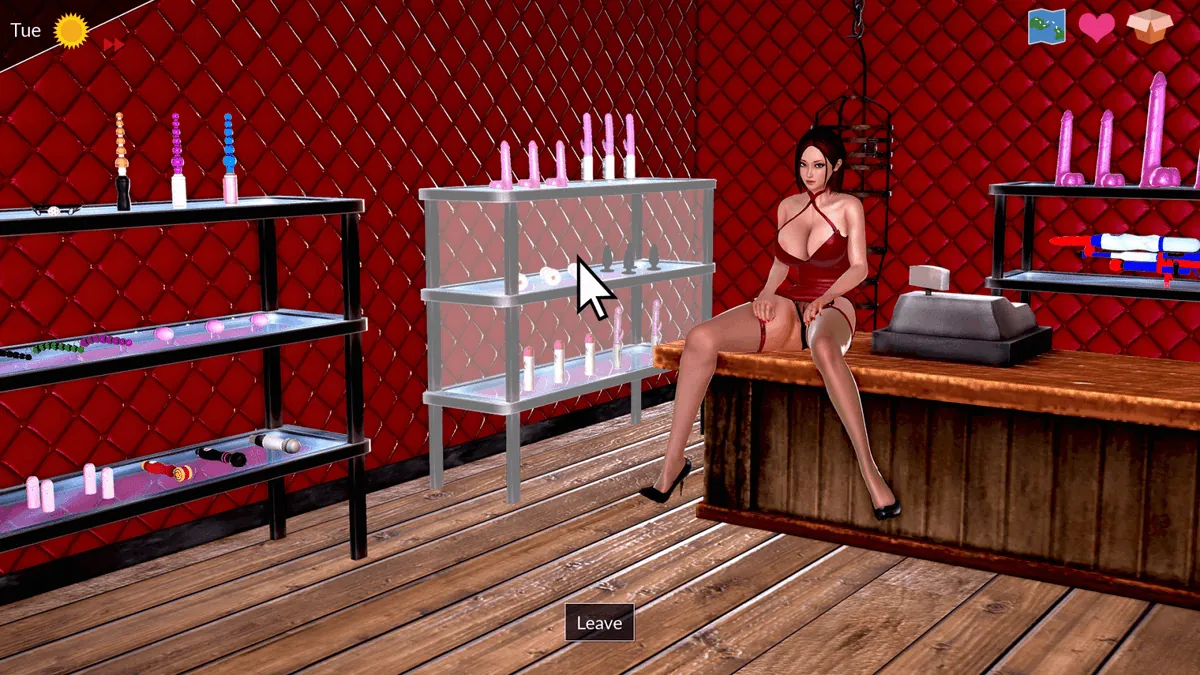
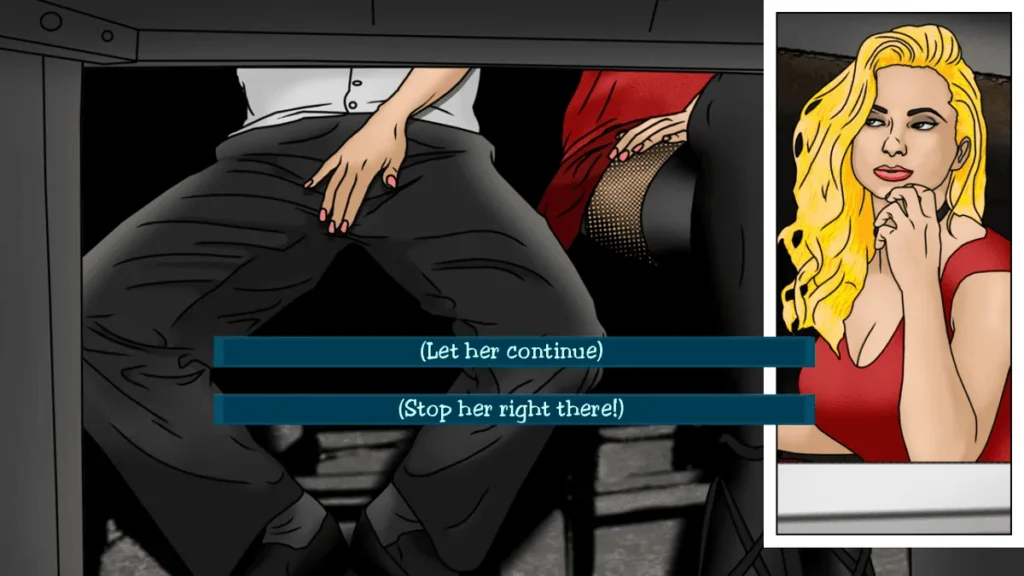
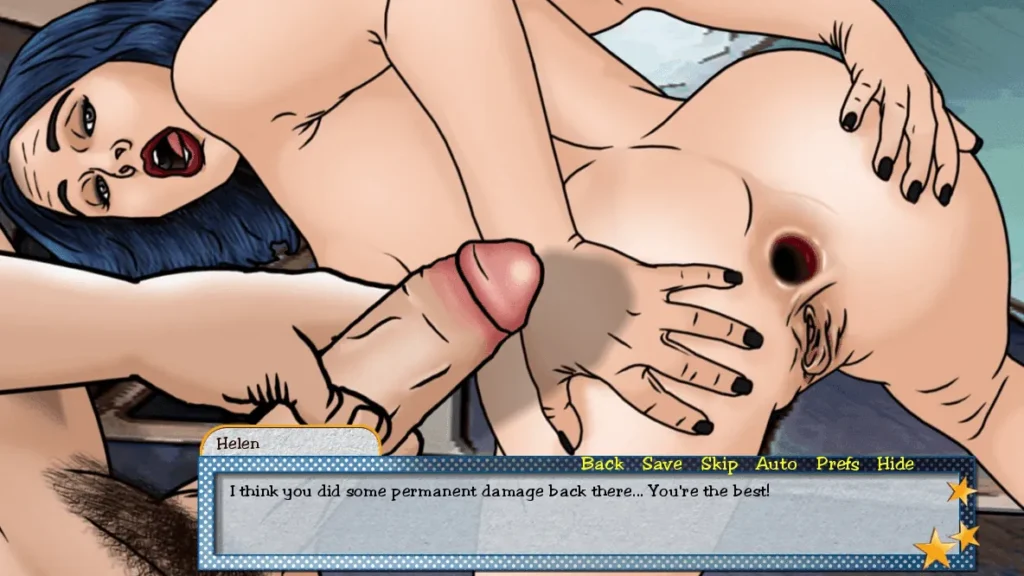
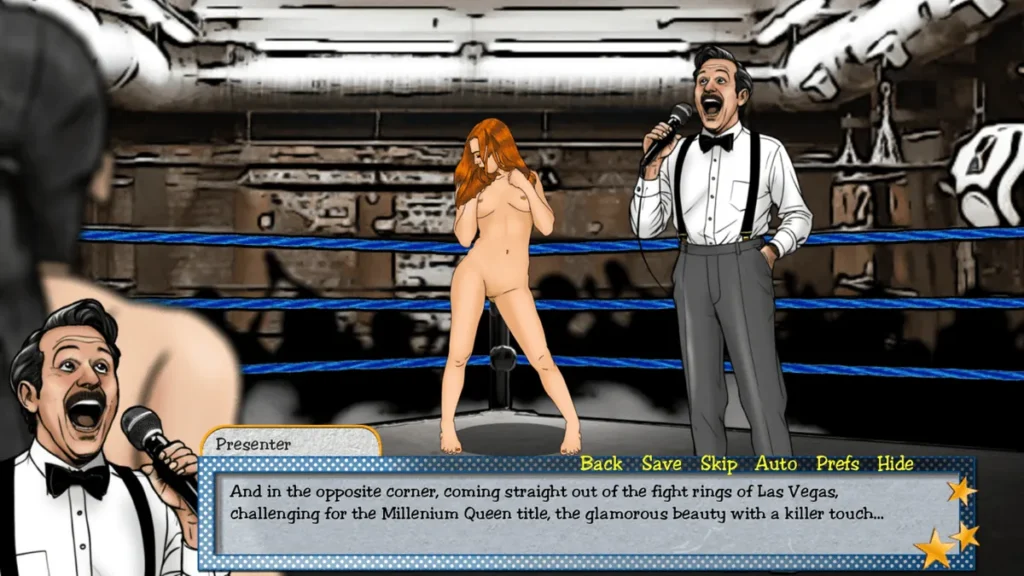
TableTop BornStar Screenshots





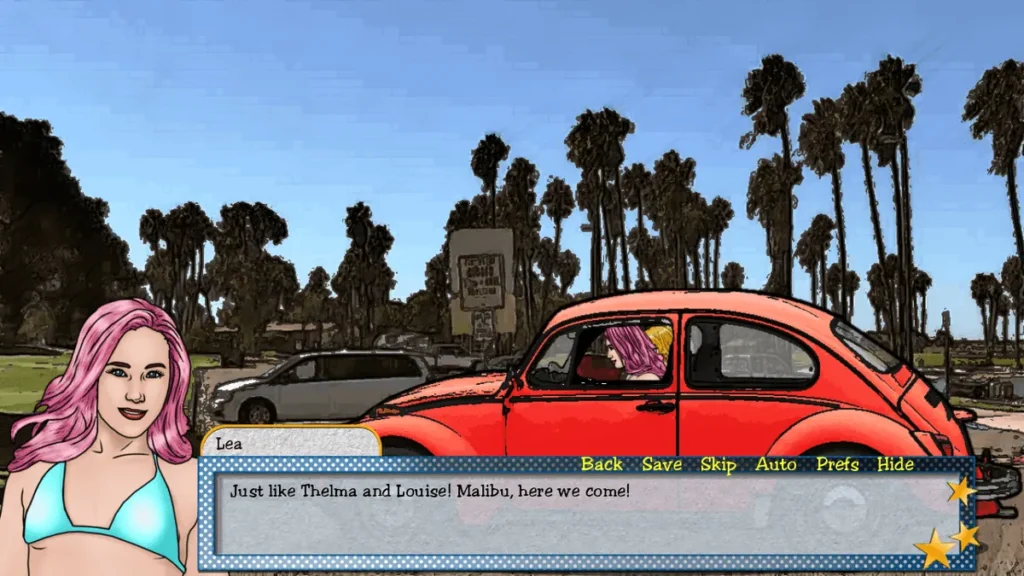
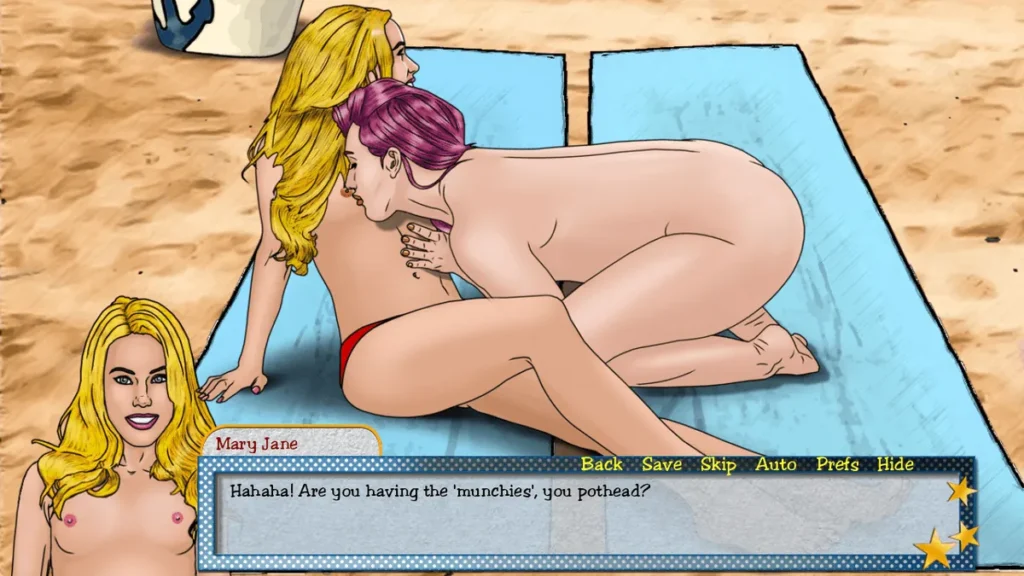
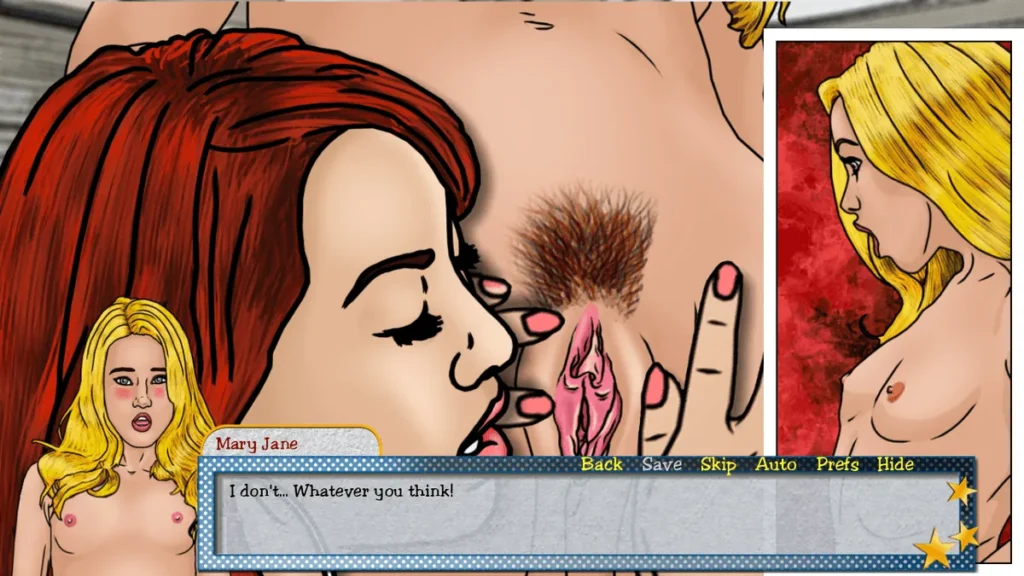

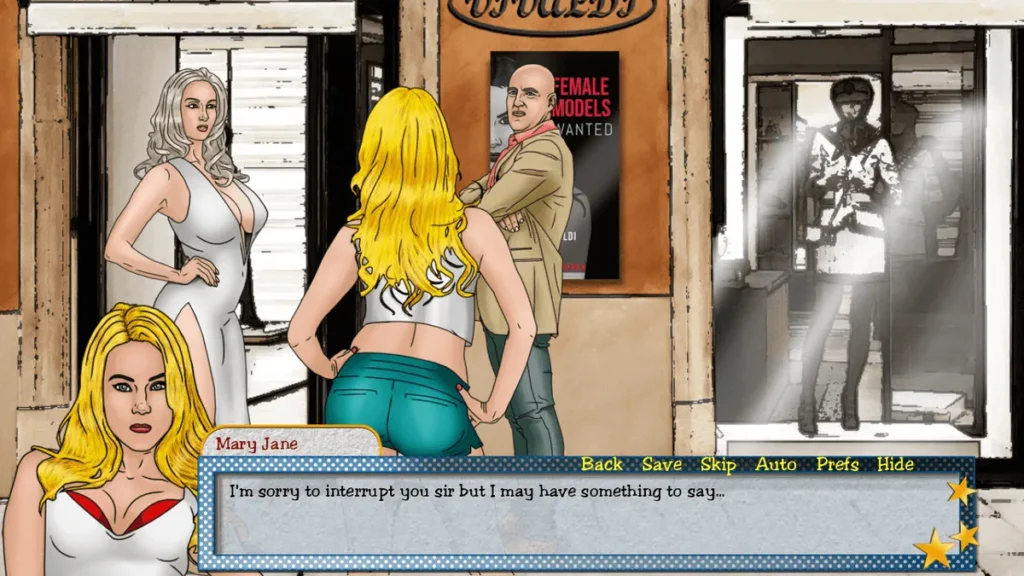







TableTop BornStar review
Dive into Hollywood’s Dark Side with Dice, Cards & Choices
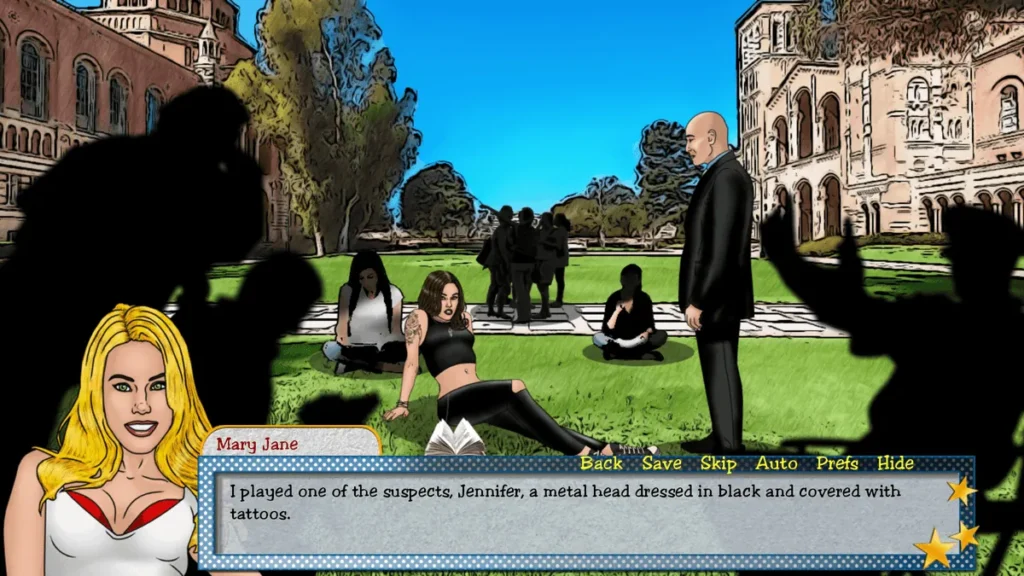
Ever dreamed of wheeling and dealing in the shadowy underbelly of 1999 Hollywood, where every roll of the dice could make or break a rising star? TableTop BornStar pulls you right into that glitzy, gritty world as a washed-up talent agent under house arrest, guiding ambitious Mary Jane to fame—or infamy. This isn’t your average visual novel; it’s a thrilling mashup of tabletop mechanics like dice and cards with a corruption-laced storyline packed with intimate encounters and tough choices. I remember my first playthrough—heart pounding as I decided whether to exploit her dreams or lift her up. Stick around to uncover why TableTop BornStar has me hooked and how you can master its seductive challenges.
What Makes TableTop BornStar Gameplay So Addictive?
You know that feeling when you finish a movie or a book and you just sit there, staring at the wall, because you’re still living in that world? That’s the exact vibe TableTop BornStar gameplay nails from your very first session. It’s not just a game you play; it’s a world you inhabit, a story you co-write with every nervous flick of a wrist. What had me hooked—and honestly, kept me up way past a sensible hour—wasn’t just one element, but the perfect, messy blend of chance, strategy, and raw narrative consequence. You’re not just observing a story about Hollywood’s dark side; you’re elbow-deep in it, making the calls that either build a star or break a soul. Let’s break down why it’s so impossibly hard to put down.
How Dice and Cards Drive Your Hollywood Journey 🎲🃏
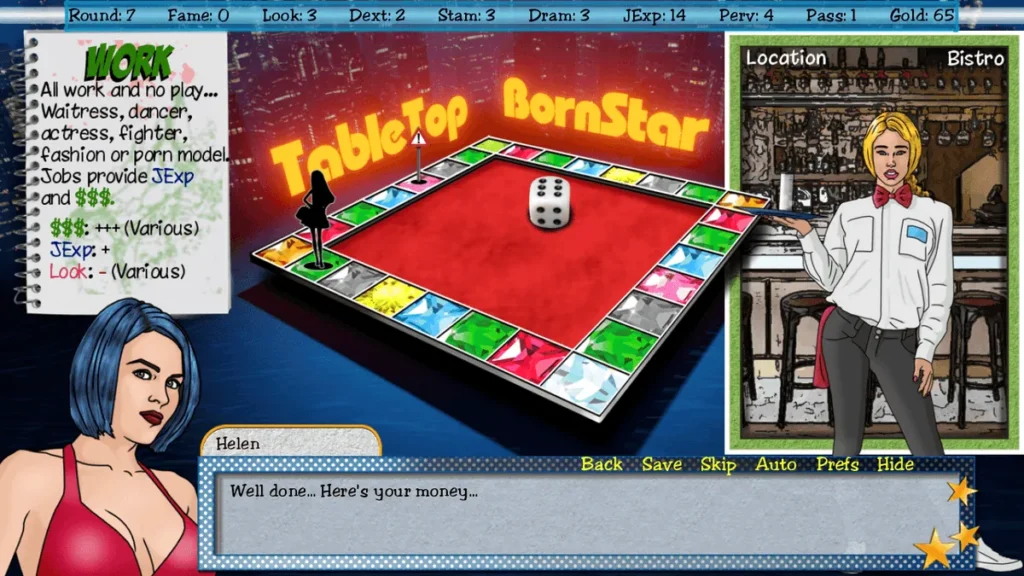
At its heart, how to play TableTop BornStar is a masterclass in tension. Your primary tools as a hungry talent agent are a handful of custom dice and a personal deck of cards. This isn’t a game of brute force; it’s a game of finesse, leverage, and sometimes, desperate gambles.
The dice and cards mechanics work in beautiful, stressful harmony. Think of your dice as your raw potential—your charisma, your persuasion, your sheer audacity. You’ll roll them to swing a pivotal meeting, to charm a jaded studio exec, or to push Mary Jane through a grueling audition. But here’s the catch: the results aren’t just pass/fail. A middling roll might get you the job, but at a cost. A low roll could open a door you never expected… a darker, easier door.
That’s where your cards come in. Your deck represents your resources, your connections, and your agent’s unique skills. Before a big roll, you can play cards from your hand to tilt the odds. A “Favored Client” card might let you re-roll a die. A “Shady Backroom Deal” card could add a sinister but powerful modifier. I remember one session, trying to land Mary Jane a role in a indie film that was her big break. The director was a hard-nosed realist. My dice roll was abysmal. I had one card left: “Leverage Dirt.” Playing it would guarantee the role, but it would mark my first official step onto a corruption decisions game path. The choice sat in my hands, heavy as a brick. I played the card. The victory was hollow, but Mary Jane’s career skyrocketed. The game remembered.
To see how these tools intertwine, here’s a breakdown:
| Mechanic | Description | Impact on Story |
|---|---|---|
| Dice Rolls | Determine the immediate success, failure, or complicated outcome of your agent’s actions. Different colored dice represent different attributes (Charm, Guts, Cunning). | Directly opens or closes story branches. A failed roll doesn’t stop the story; it often derails it into more dangerous, interesting territory. |
| Card Plays | Strategic resources played from your hand to influence dice rolls, unlock special dialogue, or activate unique narrative events. | Allows for player agency and specialization. Your choice of cards defines your agent’s method: are you a supportive mentor or a cutthroat manipulator? |
| Choice Branches | The narrative decisions you make independent of dice, often presented as clear dialogue or action options. | Creates the long-term narrative backbone. These are your moral compass moments that define relationships and unlock entire story arcs for the Mary Jane story path. |
Choices That Shape Mary Jane’s Fate—What Happens Next? 🌟
This is where TableTop BornStar gameplay transcends mechanics and becomes pure, personalized drama. You’re not just managing a stat sheet named Mary Jane; you’re guiding a person. Every one of your talent agent choices echoes through her life, changing her personality, her relationships, and her very definition of success.
The Mary Jane story path is a fragile thing. Will you encourage her to hone her craft through legitimate classes and gritty indie roles, building her skills and self-respect slowly? Or will you fast-track her fame by schmoozing at VIP parties, trading favors, and compromising her values for the spotlight? The game tracks it all. I’ve played sessions where Mary Jane, hardened by the choices I made, ended up a powerful but isolated diva, trusting no one. In another, by protecting her from the worst of the system, she became a critically adored artist who still called me just to talk. The difference was stunning.
Your relationship with her is a living thing. Lie to her about a meeting, and she’ll become suspicious. Stand up for her against a predatory producer, and her loyalty will unlock new, more personal story beats. The game constantly asks: are you building a star, or are you building a person? Often, you can’t do both. This branching, consequence-driven narrative is the core of the experience, making every single how to play TableTop BornStar guide ultimately useless—because your story will be uniquely yours.
Practical Tip: The game’s “Momentum” system is key. Positive outcomes build Momentum, which can be spent for bonuses later. Negative outcomes or corrupt choices can drain it, making everything harder. Sometimes, taking a small loss to preserve Momentum is better for your long-term goals!
Why the 1999 Hollywood Setting Feels So Alive 🎬📼
You can’t talk about the soul of this game without gushing about the Hollywood 1999 setting. This isn’t a generic, glamorous Tinseltown. It’s a specific, grimy, thrilling moment in time. The game oozes Y2K-era atmosphere. You’re navigating a pre-social-media world where fax machines whirr in agencies, cell phones are bulky status symbols, and a scandal can still be contained by a good publicist… for a price.
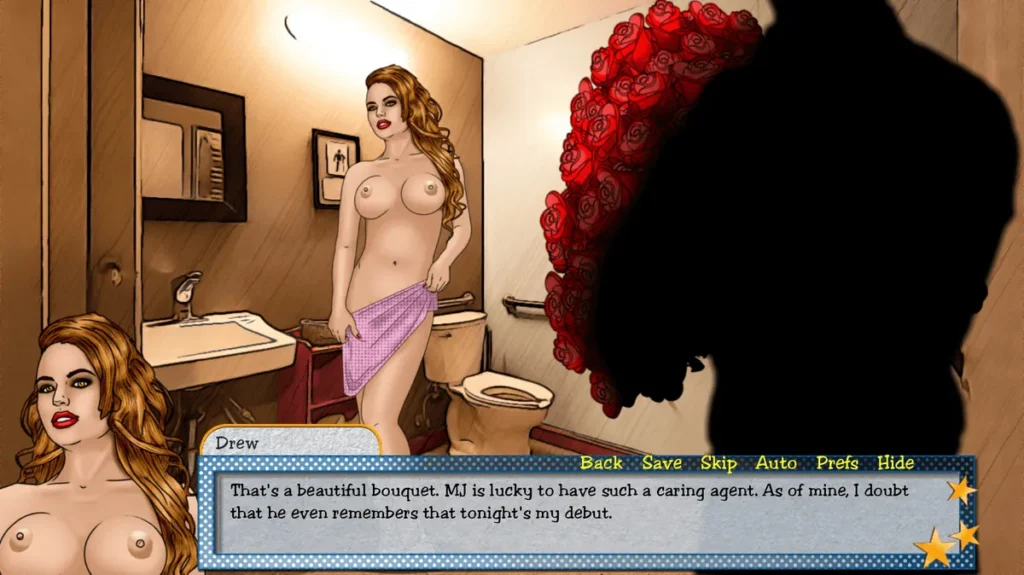
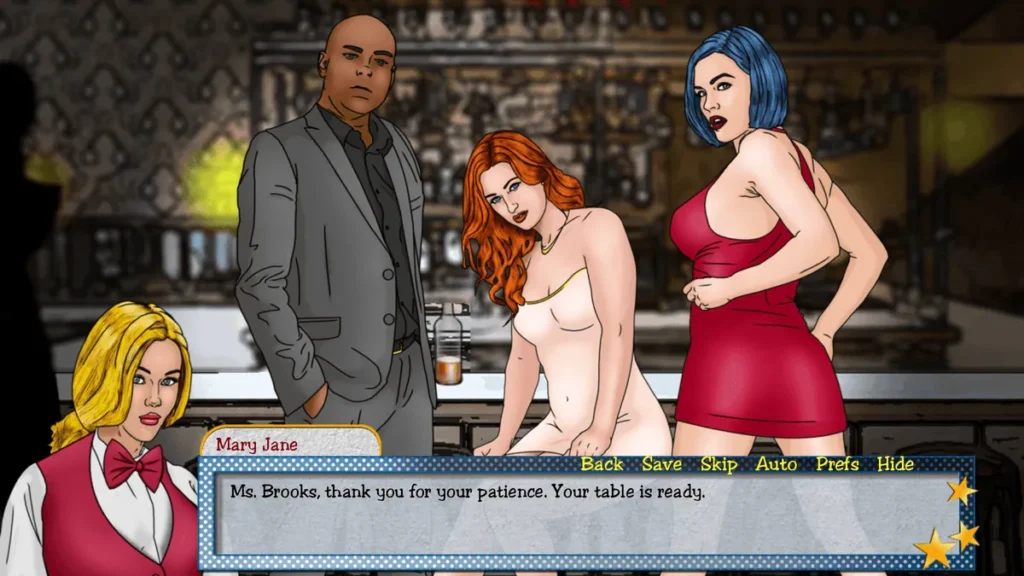
You’ll do business at a smoky jazz club that feels straight out of L.A. Confidential, pitch projects in offices with wood-paneled walls, and hustle for roles at parties where the champagne flows as freely as the false promises. The iconic locations aren’t just backdrops; they’re characters. The vibe is perfectly encapsulated in the soundtrack—a mix of lingering 90s alternative and the burgeoning electronic pulse that would define the new millennium. It’s a world on the cusp, and you’re right in the middle of it, trying to carve out a piece before everything changes.
This specific setting does crucial narrative work. The lack of instant digital scrutiny makes the corruption decisions game aspect feel more plausible, more intimate. A deal made in a dark booth at the back of a club stays there. It makes your choices feel weighty and secret, rather than something that would trend online in minutes. The Hollywood 1999 setting isn’t just nostalgia; it’s the perfect petri dish for the game’s themes of ambition and moral decay.
Pro Tips to Master Your Rise to the Top:
- Balance Your Dice Pool: Don’t just rely on your highest-stat die. Having a mix of Charm, Guts, and Cunning dice ready lets you adapt to any challenge the story throws at you. A pure Charm agent will crash and burn when physical intimidation is required.
- Hold a “Get Out of Jail” Card: Always try to keep at least one card in hand that allows a re-roll or a narrative escape. You never know when a single, catastrophic roll will demand a save.
- Sync Cards with Your Path: If you’re leaning into a corrupt agent style, prioritize acquiring cards like “Blackmail” or “Silence the Press.” A virtuous path benefits more from “Goodwill” or “Mentor” cards. Build your deck to match your story.
- Save Before Major Crossroads: The game encourages living with choices, but if you want to explore branches, create a save file before a huge industry party or a final audition. It lets you experience wildly different outcomes from one pivotal scene.
- Talk to Everyone, Twice: The Hollywood 1999 setting is packed with recurring characters. A waiter you’re rude to might be a producer’s nephew later. Network constantly—every interaction is a potential thread in your web.
In the end, the addictive magic of TableTop BornStar is this: it makes you feel like a god and a pawn all at once. You shape a destiny, but you’re always at the mercy of the next roll, the next offer, the next impossible choice. It’s a captivating dance between your strategy and the game’s beautiful, ruthless chaos—a dance that, I promise, will have you saying “just one more scene” until the sun comes up.
TableTop BornStar masterfully weaves tabletop thrills with a seductive Hollywood tale of ambition and moral gray areas, where your dice rolls and choices as the talent agent truly define Mary Jane’s stardom—or downfall. From stunning visuals to branching paths loaded with intimate twists, it’s a game that rewards strategy and replay. My own dives into its corruption arcs left me rethinking power dynamics in showbiz. Ready to roll the dice on your own Hollywood saga? Download TableTop BornStar today, pick your path, and see if you can navigate fame’s temptations without losing your soul.