
Star Periphery
Play Star Periphery
Star Periphery Screenshots








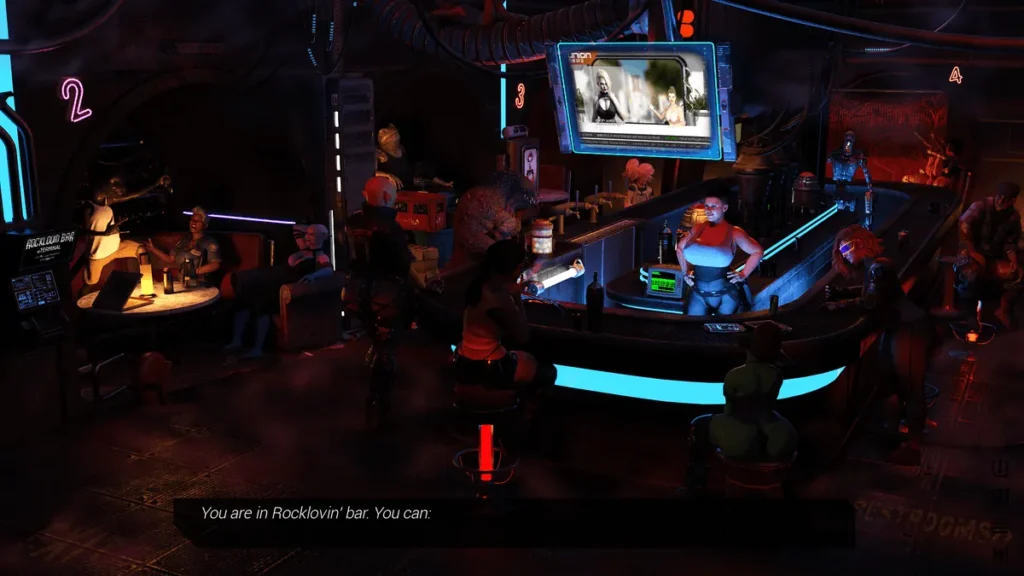
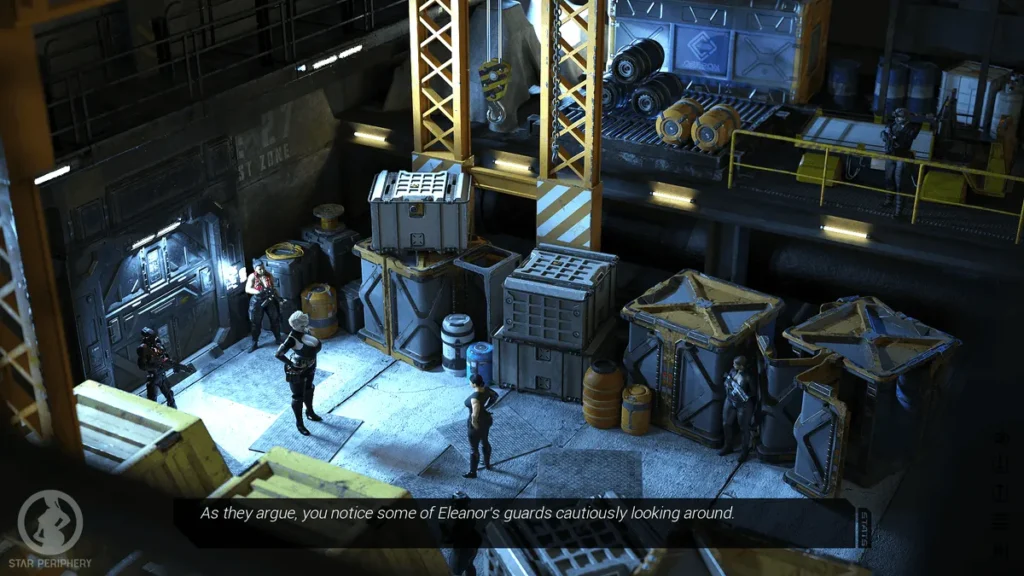
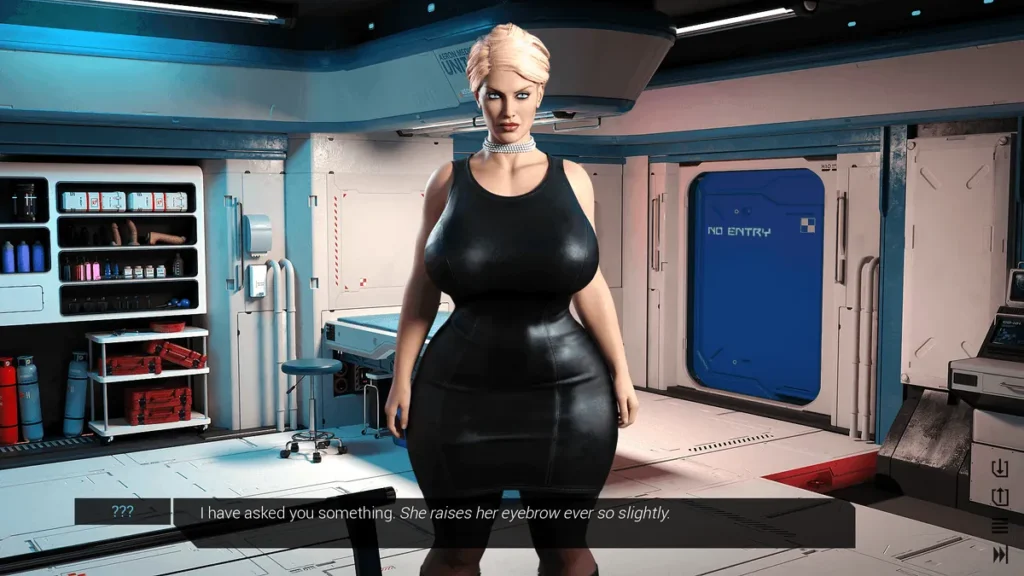

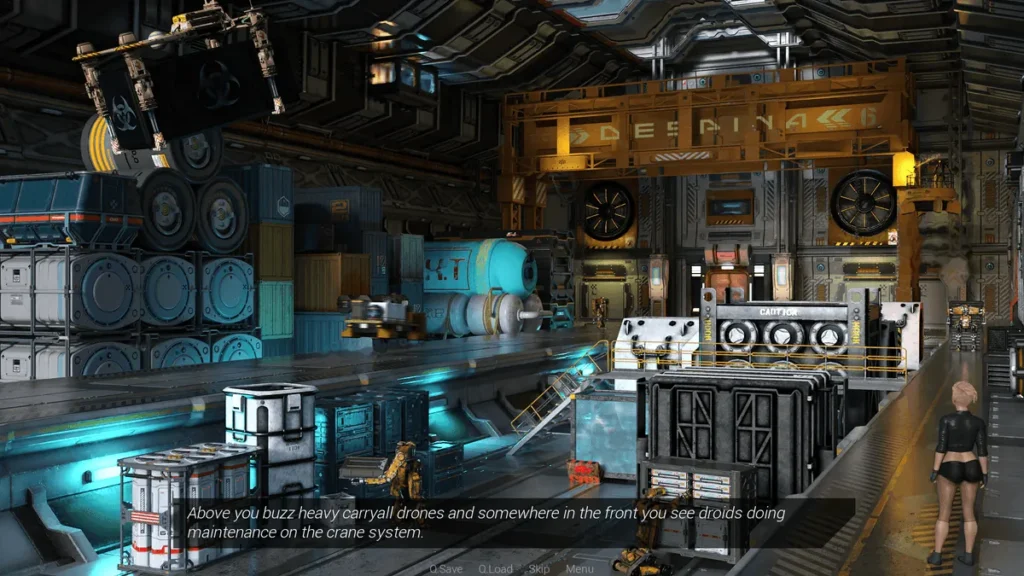
Star Periphery review
Master the command systems and mature themes in this space strategy experience
Star Periphery represents a unique evolution in space strategy gaming, seamlessly blending complex command systems with mature storytelling elements. This game redefines what mature gaming can achieve by weaving sophisticated mechanics with thematic depth that appeals to adult players seeking more than surface-level entertainment. Whether you’re a seasoned strategy enthusiast or exploring advanced space games for the first time, understanding Star Periphery’s layered systems and narrative approach is essential. This guide explores the game’s core mechanics, strategic elements, and what makes it stand out in the competitive space strategy landscape.
Understanding Star Periphery’s Multi-Layered Command Systems
Let’s be honest: the first time you open Star Periphery, it’s not the gorgeous starfields or imposing capital ships that will overwhelm you. It’s the sheer density of information on your command console. 🧠 I remember my first campaign, confidently sending a scout flotilla into a nebula, only to watch it get obliterated because I’d forgotten to allocate enough power to their long-range sensors in the ship system manager. That was my “aha” moment. This isn’t a game where you just point and click a massive fleet; it’s a game where you think, plan, and command across multiple layers of responsibility. Your success hinges entirely on understanding its intricate space strategy command systems.
This guide will break down that very architecture. We’ll move from the high-level strategic map down to the individual reactor output on a frigate, showing you how these systems interconnect to create one of the deepest strategic decision-making space games on the market. By the end, you’ll see your command console not as a wall of confusion, but as the instrument of your ultimate victory.
How Command Systems Define Your Strategic Approach
Think of command in Star Periphery as operating a vast, interstellar corporation with a private army. You’re not just an admiral; you’re the CEO, the logistics director, and the field commander all at once. The game’s genius lies in how these roles are separated into distinct but interconnected command layers, each with its own interface and priorities.
At the top, you have the Strategic Layer—the galaxy map. Here, you make macro-decisions: where to expand your influence, which factions to diplomatically engage or undermine, and where to dedicate your raw materials and credit reserves. This is where resource allocation in space games becomes an art form. Are you pumping funds into rapid frigate production for an aggressive push, or are you investing in deep-space research stations to unlock game-changing technology? One of the core Star Periphery gameplay mechanics is that every credit spent here is a credit not spent elsewhere, creating constant, meaningful trade-offs.
This layer feeds directly into the Operational Layer. This is your theater of war. You’re managing multiple fleets, setting patrol routes, establishing supply lines, and planning multi-system campaigns. Your fleet management strategy here is crucial. A common mistake is bunching all your powerful ships into one “deathball.” In Star Periphery, this leaves your economic backbone exposed. A savvy player will use smaller, faster response fleets to guard mining operations while a main battle group applies pressure to the enemy. The operational layer forces you to think about space not just as empty void, but as territory with chokepoints, logistical lanes, and vulnerable assets.
Finally, we reach the Tactical Layer. This is the moment-to-moment control during encounters. However, unlike many games, you’re not just giving move-and-attack orders. You’re adjusting fleet formations, prioritizing targets, managing individual ship power allocation (shields vs. weapons vs. engines), and triggering captain abilities. The decisions you made in the higher layers directly empower or constrain you here. Did you skimp on fleet logistics? Your ships will enter the fight with reduced ammunition. Did you invest in advanced sensor tech? You’ll see the enemy fleet composition long before they see you.
To visualize how these layers work together, here are the key components:
- The Strategic Council: Your advisors for Diplomacy, Industry, Science, and Military. Assigning resources to them influences event generation, research speed, and morale. ⚙️
- The Fleet Manager: The heart of your fleet management strategy. Here you design ship templates, commission new vessels, assign experienced captains, and retrofit older models with new tech.
- The Resource Network: A dynamic web showing the flow of Ore, Gas, Credits, and Data between your colonies, stations, and fleets. Any break in this web cripples your empire.
- The Tactical Command Console (TCC): Your live-combat interface. Mastery of the TCC separates good players from legends, allowing for advanced space strategy tactics like focused fire patterns and reactive power shuffling.
This multi-layered approach is what defines the Star Periphery experience. You’re always juggling priorities, and a weakness in one layer can cause collapse in another.
| Command Layer | Primary Focus | Key Player Actions | Impact on Other Layers |
|---|---|---|---|
| Strategic | Empire-Wide Growth & Politics | Colony development, Diplomacy, Major resource allocation, Tech research direction | Determines available resources, ships, and tech for Operational & Tactical layers. |
| Operational | Theater-Level Campaigns & Logistics | Fleet deployment & composition, Supply line security, Multi-system offensive/defensive planning | Positions and sustains your forces for tactical encounters. Poor logistics weaken tactical performance. |
| Tactical | Instant Battlefield Control | Direct ship commands, Power management, Formation control, Ability activation | Where strategic and operational investments are tested. Brilliant tactics can overcome some strategic deficits. |
Navigating Complex Decision-Making in Space Operations
So, how do these layered systems translate into actual gameplay decisions? Let’s talk about the constant weight of choice. The Star Periphery gameplay mechanics are designed to avoid “obvious” best paths. Every choice has a cost, a risk, and an opportunity lost elsewhere—a hallmark of true strategic decision-making space games.
Early in a campaign, you might face this classic dilemma: Your scouts have found a derelict alien battleship (potential for huge tech boosts) and a pristine, resource-rich asteroid belt. You only have the resources to secure one. 🔄
- Option A (The Battleship): Secure the wreck. This requires sending your only capable engineering fleet, leaving your borders lightly defended. The payoff is potentially unlocking powerful weaponry months ahead of schedule. The risk? A rival faction raids your undefended mining outpost while you’re away, crushing your economy.
- Option B (The Asteroids): Claim the resources. This gives you an immediate, stable economic injection, allowing you to build more ships steadily. The cost? That alien tech might be recovered by a rival, giving them the decisive edge in the next major battle.
There is no “right” answer. Your decision will be guided by your overall strategy, your assessment of nearby threats, and even the personality traits of your faction’s leaders. This is where the game’s mature themes intertwine seamlessly with its systems. You’re not just managing abstract resources; you’re making morally grey calls for the “greater good” of your faction, dealing with ambitious or treacherous subordinate captains, and deciding the fate of civilian populations caught in the crossfire.
Your fleet management strategy is another constant decision tree. You don’t just build “the best ship.” You build ships for a role, and you manage them as valuable, limited assets. Sending your only squadron of electronic warfare corvettes on a deep raid is a high-risk, high-reward play. If they succeed, they can disable a key enemy station. If they’re lost, your main fleet loses its sensor-jamming support, making it vulnerable in the next direct engagement. This asset-based thinking forces careful, deliberate play and makes every loss meaningful.
The most important lesson I learned was to never let my strategic goals be dictated by my tactical attachments. Just because you have a beautifully designed, flagship-grade cruiser doesn’t mean it should lead every charge. Sometimes, preserving that asset for the right moment is the ultimate strategic play.
Balancing Resource Management with Tactical Execution
This is the final, and most challenging, piece of the puzzle: linking your grand plans directly to the action on the battlefield. Your skill in resource allocation in space games must directly enable your advanced space strategy tactics. A perfect plan with no fuel for your fleets is just a dream. A massive fleet with poorly allocated power is a sitting duck.
Let’s walk through a real gameplay scenario. Imagine you’ve identified a key enemy shipyard. Your strategic goal is to cripple their production. Your operational plan involves a two-pronged attack: a fast strike group (FSG) to hit the shipyard, and a heavier defensive fleet to hold a nearby choke point against enemy reinforcements.
- Strategic & Operational Setup: You allocate extra credits to fleet logistics to extend your operational range. You design your FSG with high-speed, shield-penetrating torpedo boats. You design your defensive fleet with long-range artillery cruisers and durable frigates to hold the line. This is resource allocation and fleet management in action.
- The Tactical Execution – The Chokepoint: Your defensive fleet engages the enemy relief force. Here, your pre-battle decisions matter. Did you equip your artillery cruisers with enhanced targeting algorithms (a strategic tech choice)? Are your frigates in a screening formation to absorb fire? In the TCC, you micro-manage power, diverting energy from non-essential systems on your brawling frigates to reinforce their front shields. This is advanced space strategy tactics at the micro level.
- The Tactical Execution – The Strike: Your FSG arrives at the shipyard. Instead of a full assault, you use their speed to skirt defensive perimeter stations. You order a concentrated torpedo volley on the shipyard’s power core, a specific subsystem target. The enemy station’s point-defense lasers come online—but because you invested in electronic warfare corvettes (an operational fleet composition choice), you can activate a “Sensor Ghosting” ability, reducing their accuracy. The torpedoes hit, the core goes critical, and your FSG retreats before the main defense fleet can rotate back.
In this scenario, success was a chain: Strategic research (shield-penetrating tech) -> Operational resource allocation (funding logistics, building specific ships) -> Tactical execution (formation, power management, ability use). A break in any link—like forgetting to build those e-war corvettes—would have led to the strike group being annihilated.
So, how to master Star Periphery’s command ballet? Start by focusing on one layer at a time.
- For New Players: Live in the Strategic Layer for your first few hours. Pause often. Get comfortable with the economy and research trees. Automate your fleets with simple patrol orders. Watch how your decisions slowly build (or erode) your empire’s foundation.
- For Intermediate Admirals: Dive deep into the Fleet Manager. Experiment with custom ship designs tailored to counter specific enemies. Start managing active supply lines manually. Practice in skirmish mode to get a feel for direct tactical control without the strategic pressure.
- For Aspiring Masters: This is where you sync everything. You’ll start pre-designing fleets for hypothetical future conflicts. You’ll bait enemies into traps by showing tactical weakness that serves a strategic goal. You’ll manage multiple, simultaneous operational theaters, knowing that a setback in one can be offset by a breakthrough in another.
Mastering Star Periphery isn’t about quick reflexes; it’s about cultivated foresight. Its space strategy command systems demand that you be a planner, an economist, a logistician, and an admiral simultaneously. The complexity is immense, but so is the reward. When your carefully laid plans, resource networks, and specialized fleets align to execute a campaign flawlessly, you achieve a victory that feels earned, profound, and uniquely yours in the vast, demanding cosmos of this incredible game. 🚀
Star Periphery stands as a sophisticated entry in the space strategy genre, proving that mature gaming can deliver intellectual depth alongside thematic complexity. The game’s multi-layered command systems demand strategic thinking and careful planning, while its narrative integration creates meaningful player investment beyond mechanical engagement. By weaving mature storytelling into the fabric of gameplay rather than treating it as separate content, Star Periphery offers adult players an experience that respects their intelligence and desire for sophisticated entertainment. Whether you’re drawn to the strategic challenges, the narrative depth, or the unique combination of both, understanding these core elements enhances your appreciation of what makes this game distinctive. As you explore Star Periphery’s systems and stories, you’ll discover a game that successfully redefines what mature strategy gaming can achieve.