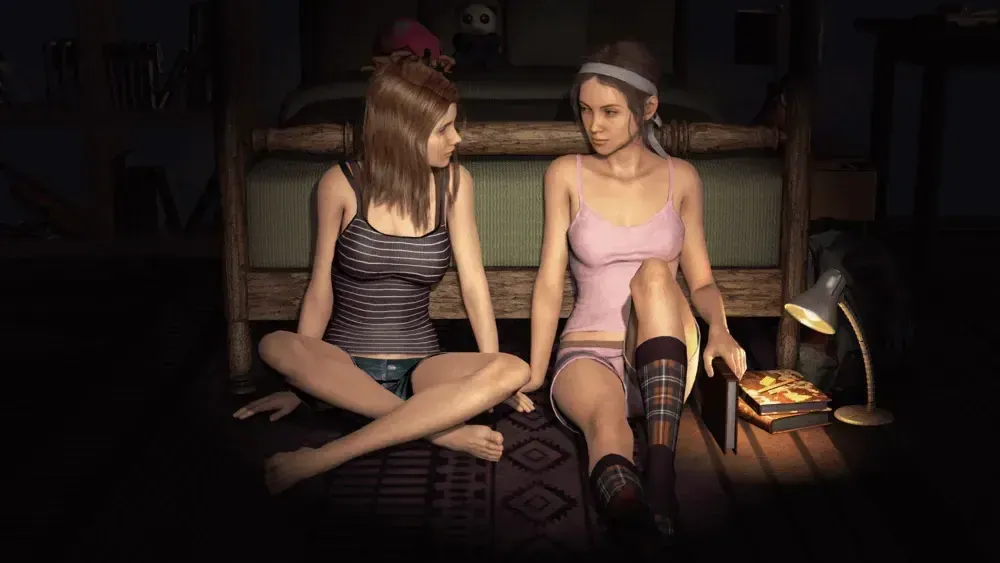
Second Chance
Play Second Chance
Second Chance Screenshots




Second Chance review
Explore the interactive storytelling experience with player-driven choices and romance mechanics
Second Chance stands out as an innovative interactive experience that blends narrative-driven storytelling with meaningful player choices. This adult-themed game offers a unique approach to interactive fiction, where your decisions directly shape the outcome of your journey. Whether you’re new to choice-based games or a seasoned player, understanding the core mechanics and features of Second Chance will enhance your overall experience. This guide walks you through everything you need to know about gameplay, character interactions, and the various paths available to players.
Understanding Second Chance Gameplay Mechanics
Ever picked up a story-driven game, only to feel like you’re just watching a movie where someone else calls all the shots? 📽️ You click through dialogue, but nothing you say seems to matter—the ending is the same every time. I’ve been there, and honestly, it feels like a missed opportunity. That’s why discovering Second Chance was such a revelation. This isn’t just a game you play; it’s a world you actively shape with every single decision. At its heart, Second Chance is a masterclass in player choice storytelling game design, where your voice is the most powerful tool in the narrative toolbox.
This guide will pull back the curtain on what makes this interactive fiction experience so uniquely compelling. We’re going to break down the core Second Chance interactive game mechanics, explore how to build (or burn) relationships, and map the paths to its many conclusions. Get ready to understand how your choices don’t just nudge the story—they completely rewrite it. 🗺️
How Player Choices Drive the Narrative
Forget linear paths. In Second Chance, you’re not walking a pre-paved road; you’re the architect building it as you go. This branching narrative game design means every dialogue option, every action, and even every silence is a fork in the road. The game remembers everything, weaving your decisions into the very fabric of the story.
Think of it like a conversation with a close friend. If you confess a secret early on, that trust changes the entire dynamic of your future chats. Second Chance operates on the same principle. A seemingly innocent choice in Chapter 1 can echo loudly in Chapter 5, unlocking a scene, closing a door, or altering a character’s perception of you forever. This creates a profoundly personalized experience that feels uniquely yours.
Pro Tip: There’s no “right” choice, only your choice. Don’t stress about perfect gameplay on your first run. The beauty is in living with the consequences and seeing where your personality takes the story.
Let me give you a real example from my own playthrough. Early in the game, you meet Alex, a confident and somewhat guarded character. During a casual group hangout, the topic of personal boundaries comes up. I was given two main responses:
* Option A: “Privacy is overrated. We’re all friends here, right?”
* Option B: “Everyone deserves their space. No need to share everything.”
I chose Option B, advocating for privacy. It felt like a minor, respectful comment at the time. Fast forward several episodes, during a tense, private moment with Alex. They revealed a deeply personal secret, specifically citing that earlier conversation as the reason they felt safe opening up to me. That moment of trust became the cornerstone of our entire romantic subplot—a path that would have been completely walled off if I’d chosen the more cavalier Option A.
This is the essence of a true player choice storytelling game. The narrative isn’t just branching at major plot points; it’s constantly sprouting new, subtle vines based on your character’s developing personality. Your moral compass, your sense of humor, your level of empathy—all of these are defined by you and directly influence which scenes you see and how other characters treat you. It’s this intricate, cause-and-effect web that makes replaying Second Chance not just fun, but essential. You’ll constantly wonder, “What if I had said the other thing?” 🤔
Character Relationship Systems and Point Mechanics
Alright, so your choices shape the plot—but how does the game quantify your relationships? This is where the brilliant and transparent relationship point system gameplay comes into play. Unlike many games that hide their “friend meters,” Second Chance often shows you the direct impact of your choices, which is incredibly rewarding and strategic.
Each major character has a set of invisible metrics that track your dynamic with them. The game doesn’t just see if they “like” you or not; it understands the nature of your connection. This is a crucial part of the character romance mechanics, as different characters are drawn to different aspects of your personality.
The main attributes you’ll be building (often revealed with a satisfying +/- on screen) are Love Points, Kink Points, and Lesbian Points. But these aren’t just arbitrary numbers! They are precise keys that unlock specific doors in the story.
| Point Type | What It Represents | Gameplay & Interaction Effects |
|---|---|---|
| Love Points (LP) | Builds emotional intimacy, trust, and deep romantic connection. Earned through supportive, kind, and committed choices. | High LP unlocks tender, romantic scenes, heartfelt confessions, and story paths focused on long-term partnership and emotional vulnerability. |
| Kink Points (KP) | Reflects a character’s interest in playful, adventurous, or dominant/submissive dynamics. Earned through flirty, bold, and confident choices. | High KP unlocks more physically intimate and adventurous scenes, shapes the power dynamic in the relationship, and can lead to exclusive “kink” story branches. |
| Lesbian Points (LesP) | Tracks the development of a specifically sapphic romantic or sexual connection between female characters. | Essential for pursuing romance with female characters. High LesP confirms mutual attraction and unlocks dialogue and scenes that explore the unique nuances of those relationships. |
This system means you can’t just “nice” your way into every heart. You have to pay attention to who the character is and what they desire. 🎯 One character might crave passionate, playful confidence (requiring high KP), while another might need gentle, patient understanding (requiring high LP). Sometimes, you’ll make a choice that grants you +2 LP but -1 KP with the same person, perfectly reflecting the complex trade-offs in real-world relationships.
Managing these points is the strategic core of the Second Chance interactive game mechanics. It turns every interaction into a meaningful opportunity to define what kind of partner (or friend) you want to be. Want a sweet, romantic evening? Make choices that boost LP. Looking for a more spicy, unpredictable connection? Focus on those KP gains. This layered approach ensures that the character romance mechanics feel authentic and varied, far beyond a simple “pick the heart icon” system.
Exploring Multiple Endings and Storylines
This is the grand payoff of everything we’ve discussed: the magnificent, sometimes overwhelming, array of conclusions. How to unlock different endings in Second Chance isn’t about finding a hidden switch in the final chapter. It’s the cumulative result of every relationship score, every major plot decision, and even the subtle tone you’ve set throughout the entire game.
The branching narrative game design ensures that there is no single “canon” ending. Instead, there are numerous conclusion states that reflect the unique journey you crafted. You might achieve a deeply committed romantic ending with one character, a bittersweet parting of ways with another, or even a fulfilling solo ending where you’ve focused on self-discovery and friendship. The game respects all these paths as valid outcomes of your story.
So, how do you navigate this? Here’s your practical interactive fiction game guide to shaping your finale:
- Consistency is Key: Characters respond to a coherent personality. If you’ve spent the whole game building Kink Points with a character by being bold and adventurous, suddenly choosing timid, conservative options in the final act can confuse the relationship logic and may lock you out of that character’s optimal ending.
- The Point Thresholds: Each major ending path has minimum thresholds for the relevant relationship points (LP, KP, LesP). The game is constantly checking if you’ve met these benchmarks at critical junctures. Falling just a few points short can reroute you to a different, often less intimate, branch of the story.
- Major Plot Decisions: Beyond relationships, you will face huge, narrative-altering choices. These are often presented with clear gravity—saving one person over another, revealing a life-altering secret, or choosing a side in a conflict. These decisions prune entire branches of the story world, leading to fundamentally different final chapters and end states.
- Embrace the Replay: The true genius of Second Chance is that seeing one ending makes you eager to experience another. Use the “Skip Read Text” feature to fast-forward to key decision points on subsequent playthroughs. Experiment boldly! Play as your complete opposite. Pursue the character you initially ignored. The game is built for this exploration.
Remember, the goal isn’t to “win” or find the “best” ending on a first try. The joy is in the journey of discovery, in seeing how the delicate ecosystem of your choices grows into a narrative tree that is wholly yours. This extensive guide to the Second Chance interactive game mechanics shows that it’s more than a game—it’s a personalized storytelling engine. Your patience, attention, and empathy are your greatest stats. Now that you understand the relationship point system gameplay and the power of your choices in this player choice storytelling game, you’re ready to step back into the story and build the second chance you truly desire. Happy storytelling! ✨
Second Chance delivers a compelling interactive experience that rewards exploration and experimentation with its branching narrative structure. By understanding the relationship point systems, character preferences, and how your choices ripple through the story, you can craft a personalized journey that resonates with your playstyle. The game’s strength lies in its ability to make players feel agency over their decisions, creating multiple distinct experiences across different playthroughs. Whether you’re drawn to specific romance paths or interested in discovering all possible endings, Second Chance offers substantial replay value and engaging storytelling that keeps players invested in their choices and their consequences.