Rick and Morty Sex Game : Another Way Home
Play Rick and Morty Sex Game : Another Way Home
Rick and Morty Sex Game : Another Way Home Screenshots
















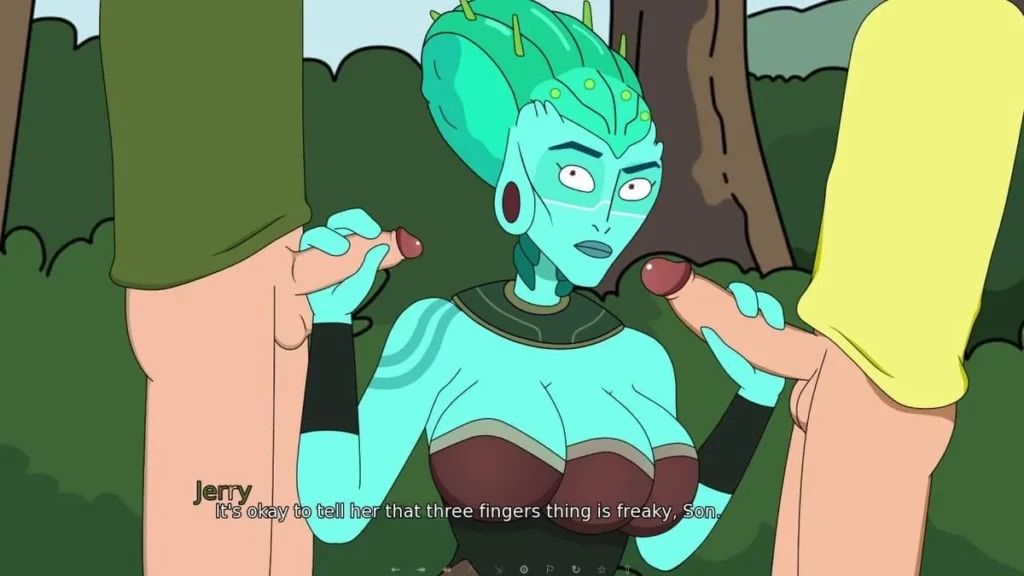




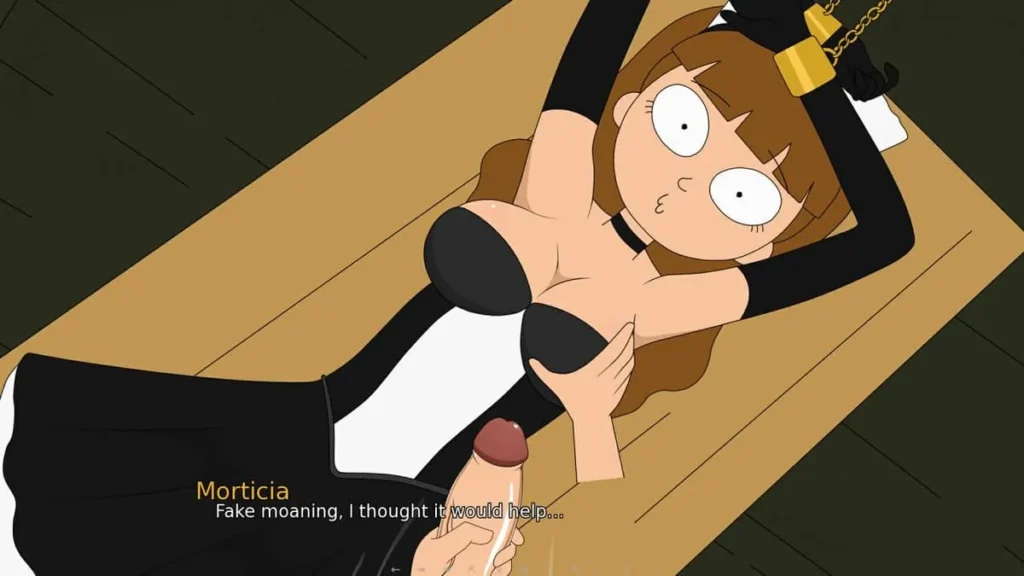
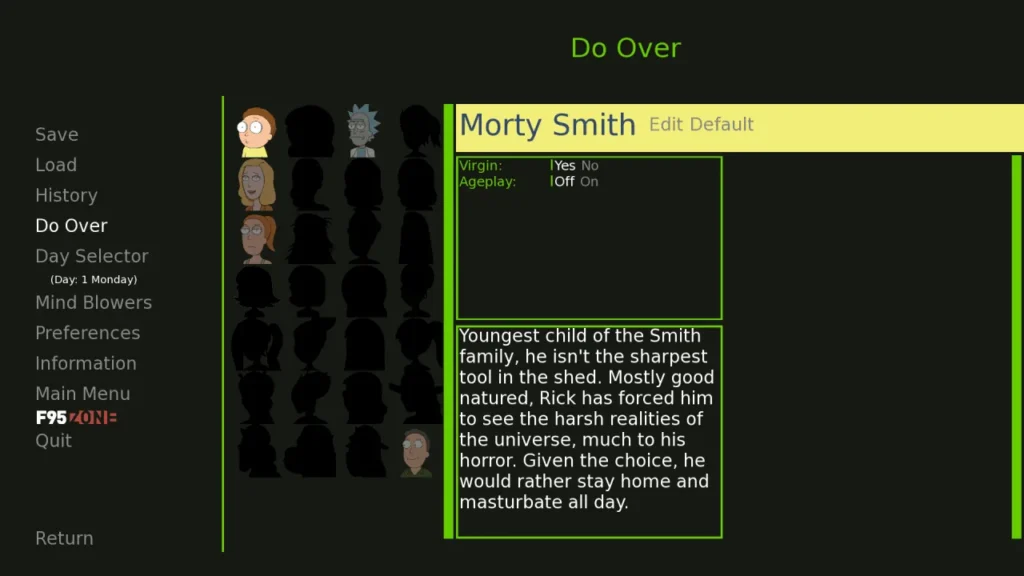
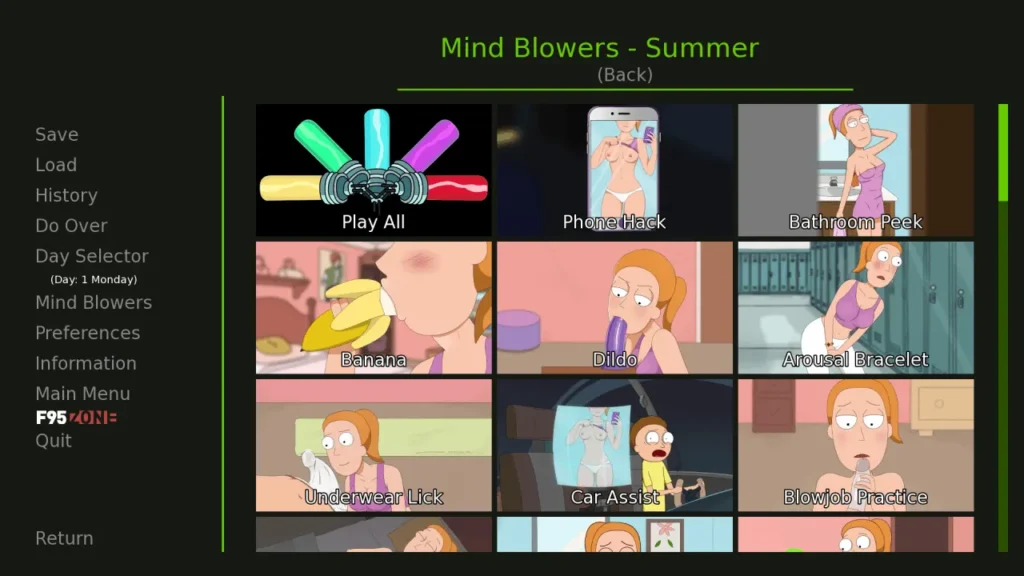
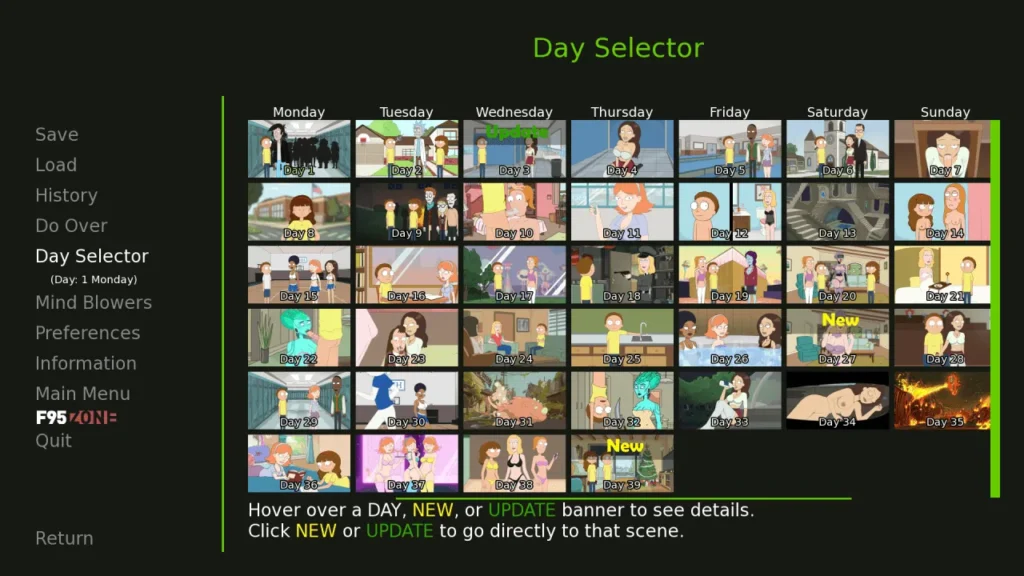
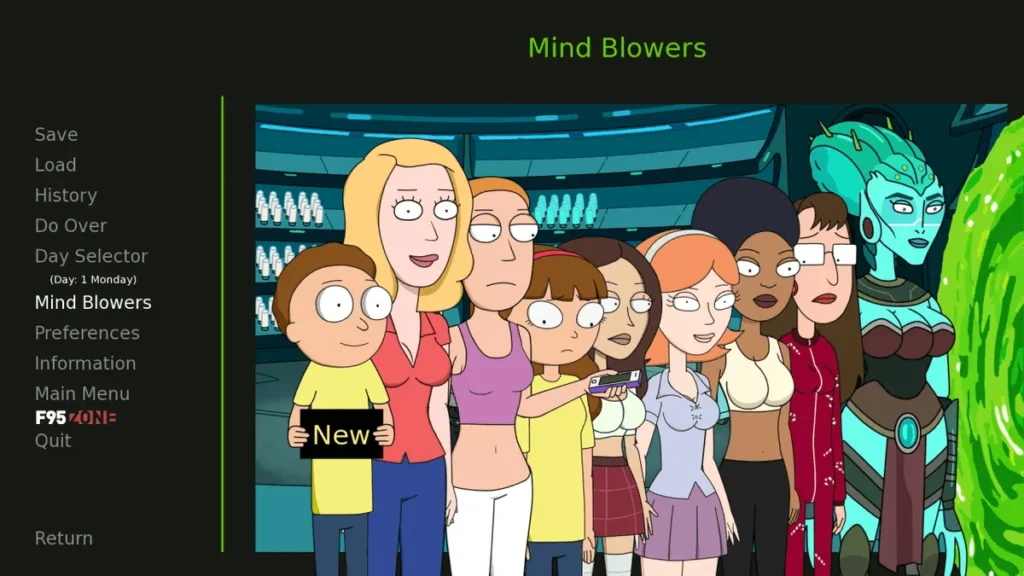
Rick and Morty Sex Game : Another Way Home review
Complete Overview of the Fan-Made Visual Novel Adventure
Rick and Morty: Another Way Home is an unofficial fan-created visual novel that brings the chaotic energy of the hit Adult Swim series into an interactive gaming experience. This Ren’Py-based adventure follows Morty as he navigates through alternate universes filled with bizarre scenarios, complex character relationships, and choice-driven storytelling. Whether you’re a dedicated fan of the show or someone interested in narrative-driven games, this guide covers everything you need to know about gameplay mechanics, features, character interactions, and tips for maximizing your experience in this multiverse adventure.
Understanding the Game: Gameplay Mechanics and Features
So, you’ve downloaded Rick and Morty Another Way Home gameplay and fired it up, ready for a wild ride through the multiverse. But instead of a controller, you’re greeted with stunning 2D art and a dialogue box. “Whoa, what gives?” you might think. “I thought this was an adventure!” Well, buckle up, because you’re in for one of the most engaging, choice-driven experiences the fan community has ever cooked up. This isn’t your typical point-and-click; it’s a deep, narrative multiverse exploration game built on the powerful Ren’Py fan game engine. Every click, every choice, matters.
Think of it like this: you’re not just playing a game; you’re the director of your very own screwed-up episode of Rick and Morty. The visual novel mechanics mean the story is king, and you hold the scepter. Your decisions will twist the plot, build (or destroy) alliances, and unlock realities you never knew existed. It’s all about the consequences, and let me tell you, in the infinite Central Finite Curve, those consequences can get pretty… interesting.
### Core Gameplay Elements and Navigation
At its heart, Rick and Morty Another Way Home gameplay is a masterclass in interactive storytelling, but don’t let the “visual novel” tag fool you into thinking it’s passive. The core loop is deceptively simple yet incredibly deep. You’ll spend your time reading beautifully crafted dialogue, making tough calls during interactive dialogue options, and exploring various environments within a scene. Navigation is intuitive—click to advance text, click on hotspots to examine details, and use a clean menu to save, load, or adjust settings. It’s all designed to keep you immersed in the narrative flow.
Where it truly shines is in its exploration. While not an open world in the traditional 3D sense, the game presents an “open-scene” structure. You might be in the Smith garage, but you can interact with Rick’s lab bench, Morty’s pile of homework, or the portal gun sitting on the floor. Examining these elements often reveals crucial lore, hints for puzzles, or even optional jokes that perfectly capture the show’s humor. This meticulous environmental storytelling is a key part of the multiverse exploration game feel, as each new dimension you hop to has its own unique set of interactables and rules.
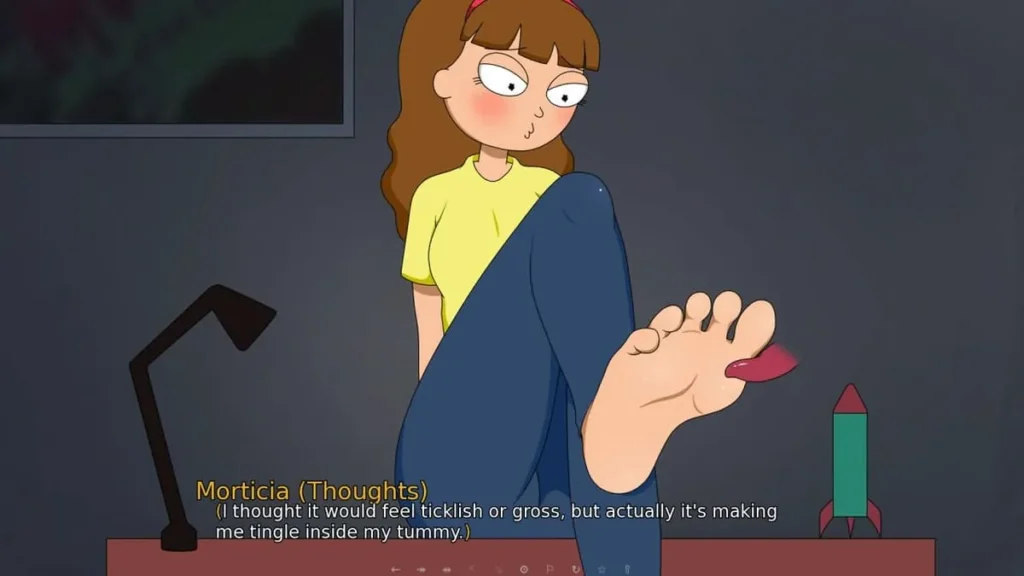
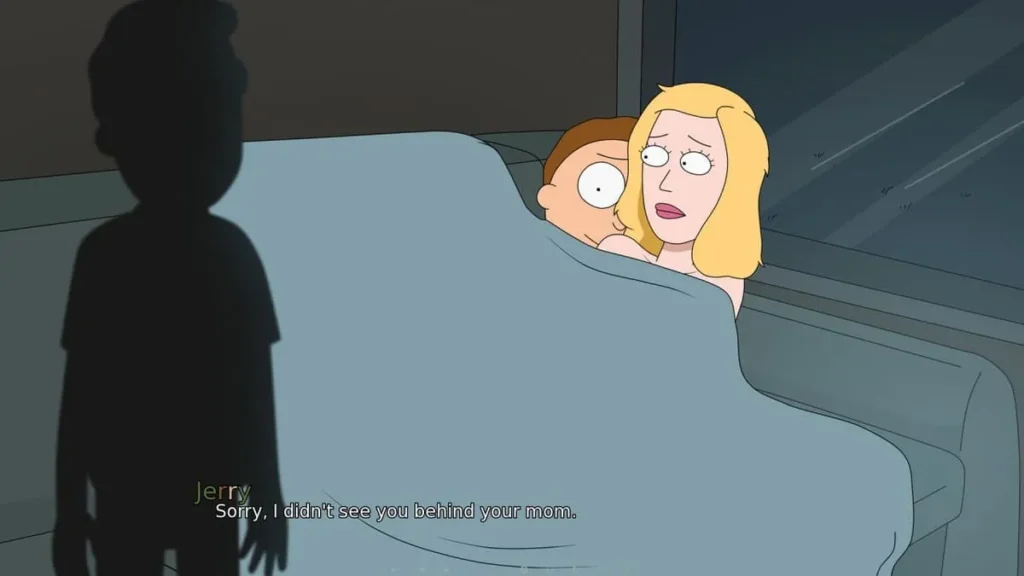
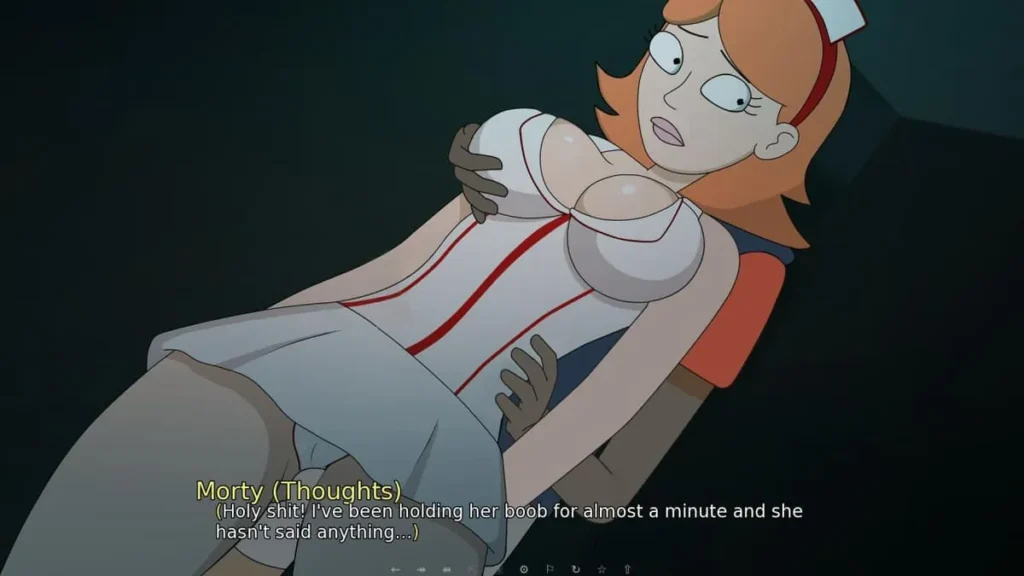
The visual presentation is a huge win. The game uses 2DCG animation and graphics, meaning you get high-quality, show-style static artwork for characters and backgrounds, with subtle animations (like blinking or expression shifts) that bring everything to life. It feels premium, a testament to the fan developers’ dedication. To give you a quick snapshot of what you’re diving into, here’s a breakdown of its core specs:
| Feature | Description |
|---|---|
| Gameplay Type | Choice-Driven Visual Novel / Interactive Story |
| Graphics Style | High-Quality 2DCG Art & Animation |
| Story Format | Non-Linear, Branching Narrative |
| Primary Mechanic | Interactive Dialogue & Decision-Making |
| Character Count | Core Cast + Numerous Alternate Reality Versions |
| Available Platforms | PC (Windows, Mac, Linux via Ren’Py) |
### Interactive Choice System and Story Branching
Alright, this is where the rubber meets the road—or where the portal fluid meets the battery acid. The choice-based story branching in Another Way Home is its absolute backbone. Forget illusion-of-choice scenarios; the game has a sprawling, complex narrative tree where your decisions carry genuine weight. 🧪 I learned this the hard way on my first playthrough. I made what I thought was a harmless, sarcastic comment to Summer early on, and three “chapters” later, she refused to back me up in a crucial confrontation with a hostile Rick from Dimension K-22. That one snarky line locked me out of an entire alliance path!
This is the essence of the interactive dialogue options. You’re not just picking a tone; you’re picking a destiny. These choices affect:
* Immediate Plot Direction: Will you help Jerry with his pathetic project, or ditch him to go hunt space parasites with Rick? The story splits right there.
* Long-Term Arc Consequences: Seemingly small acts of trust or betrayal are tracked by the game’s internal logic, influencing events hours later.
* Unlockable Scenes and Endings: The game boasts multiple endings, from bittersweet and canonical-feeling to utterly bizarre and hilarious. You’ll only see a fraction on one playthrough.
The system is powered by RPG-inspired decision-making elements. Your choices often influence hidden “relationship points” or “trust flags” with characters. The game doesn’t shower you with explicit meters (which is great for immersion), but you can feel the impact in how characters speak to you and what options become available. To navigate this web, remember these key gameplay features:
- Active Exploration: Click everything! Lore and vital clues are hidden in environmental interactions.
- Puzzle-Solving Logic: Some progression requires you to think like Rick—combine items, recall obscure details, or use portal tech creatively.
- Branching Dialogues: Conversations have multiple exit points, leading to different information and outcomes.
- Weighted Decision-Making: There are rarely pure “good” or “bad” choices, only interesting ones with different risks and rewards.
Pro Tip: Save often, and in different slots! The joy of this Ren’Py fan game is replaying it to see how the other branches unfold. Having a save before a major decision lets you experience the choice-based story branching without replaying the entire game from scratch.
### Character Relationships and Progression
If the multiverse is the stage, then the characters are the actors you’re desperately trying to direct—and they all have terrible stage fright and personal baggage. The character relationship system in Another Way Home is brilliantly subtle and powerful. It’s not about grinding friendship points; it’s about demonstrating consistency, trust, or shared values through your actions and words.
Your bond with each main character—Rick, Morty, Summer, Beth, and Jerry—exists on a dynamic spectrum. Help Morty stand up for himself, and he might confide in you later. Consistently side with Rick’s “science above all” mentality, and he may deem you useful enough to share deeper secrets. This character relationship system directly gates story progression. 🚀 For instance, reaching a certain level of rapport with Summer might unlock her as a companion for a dimension-hopping mission, offering new dialogue and solutions you wouldn’t have alone.
The real magic happens in the alternate realities. As a multiverse exploration game, you’ll encounter twisted, funhouse-mirror versions of the family you know. Navigating these relationships is a whole new challenge. The “Fascist Jerry” of one dimension requires a completely different approach than our familiar, insecure Jerry. The game forces you to read the room in every new reality, making the interactive dialogue options feel fresh and dangerous each time. Do you play along with a tyrannical Beth’s rules, or risk a rebellion? Your choices here don’t just affect that dimension’s story; they can resonate back in your home reality, affecting the core group’s perception of you.
This is where the Rick and Morty Another Way Home gameplay achieves something special. It makes you care about the dynamics. You’re not just making choices for “the best ending”; you’re making choices that feel true to the relationship you want to build, whether it’s a cynical partnership with Rick or a protective mentorship for Morty. The fully voiced dialogue in key builds (featuring incredibly talented sound-alikes) elevates this further, adding emotional weight to every strained conversation or moment of camaraderie.
In the end, Rick and Morty: Another Way Home proves that the most powerful tool in any universe isn’t a portal gun—it’s a meaningful choice. By mastering its visual novel mechanics and embracing the unpredictable choice-based story branching, you’re not just playing a game. You’re authoring a unique, personal saga across the multiverse, one hilarious, heartfelt, and horrifying decision at a time. Now go on, get out there, and break some realities! Just remember to save first. 😉
Rick and Morty: Another Way Home offers fans a unique interactive experience that captures the chaotic brilliance of the original series while adding layers of player agency through choice-driven storytelling. From navigating alternate universes to building complex relationships with familiar characters, the game delivers an immersive adventure that rewards exploration and strategic decision-making. By understanding the core gameplay mechanics, appreciating the intricate narrative design, and implementing effective strategies for progression, players can unlock the full potential of this fan-created visual novel. Whether you’re seeking to experience every story branch, discover hidden scenes, or simply enjoy the absurdist humor and emotional depth the game provides, this guide equips you with the knowledge needed to make the most of your multiverse journey. Dive into the adventure, explore every dimension, and discover what makes this fan-made creation a compelling experience for Rick and Morty enthusiasts.