Now & Then
Play Now & Then
Now & Then Screenshots
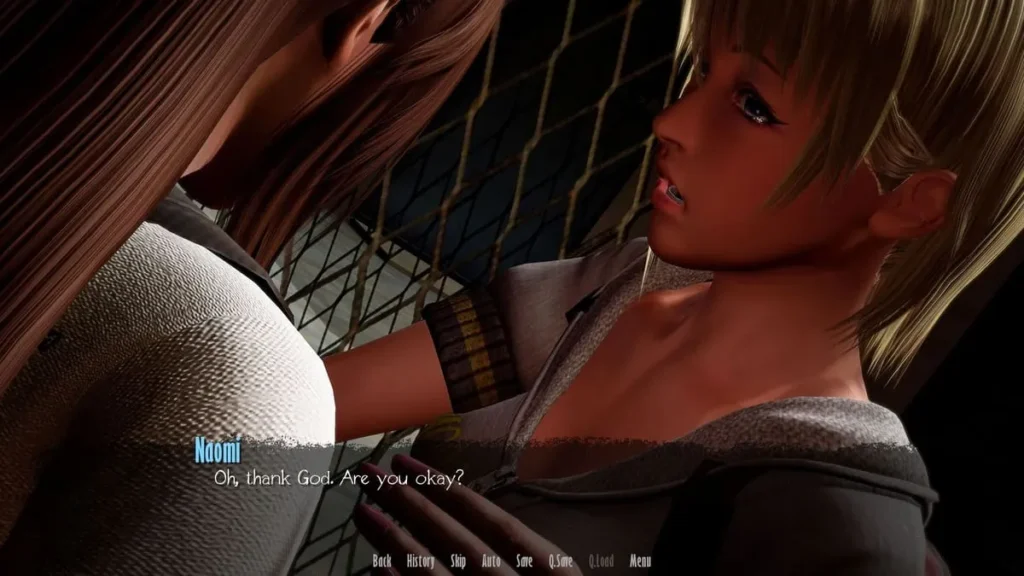
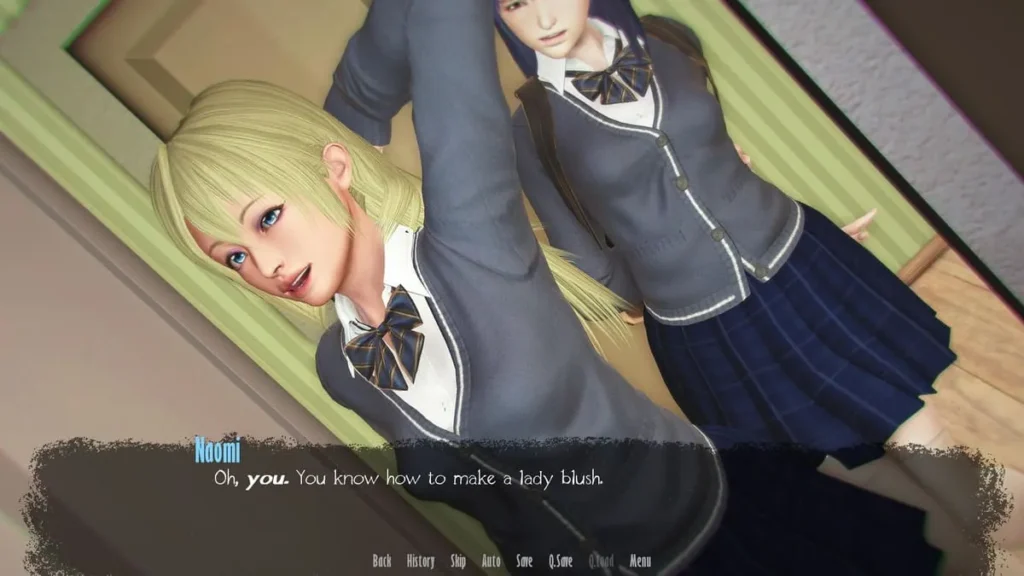
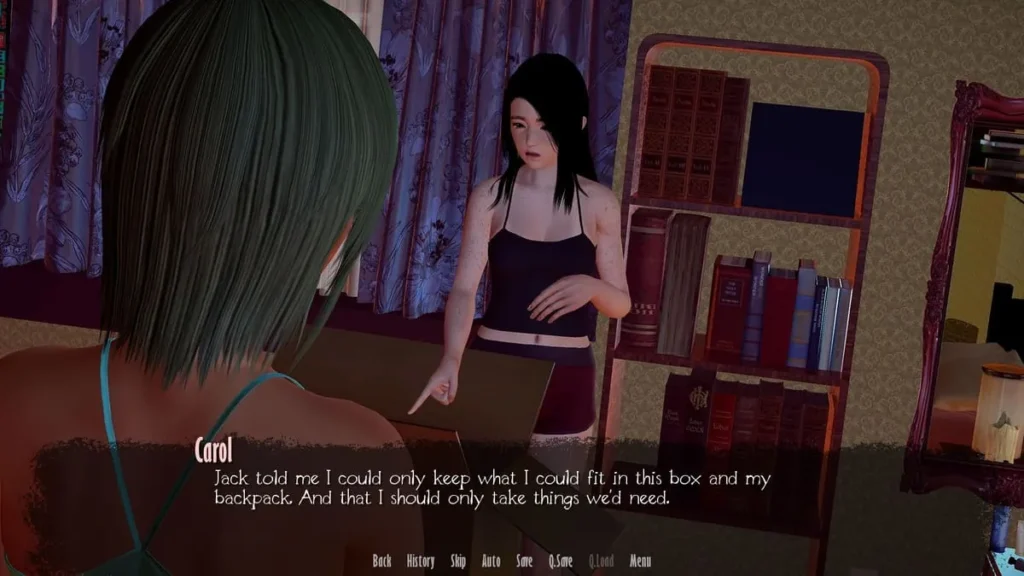
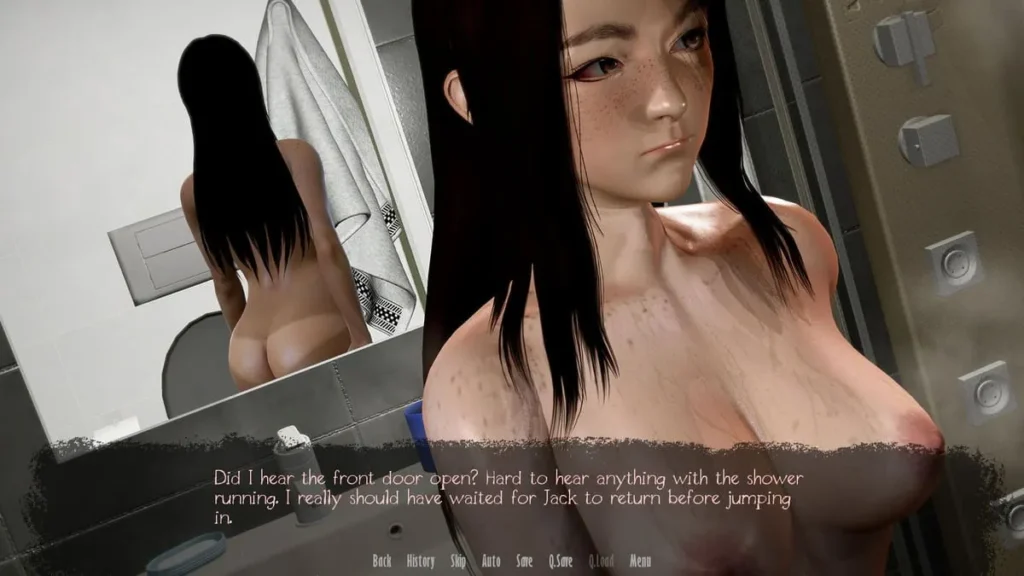
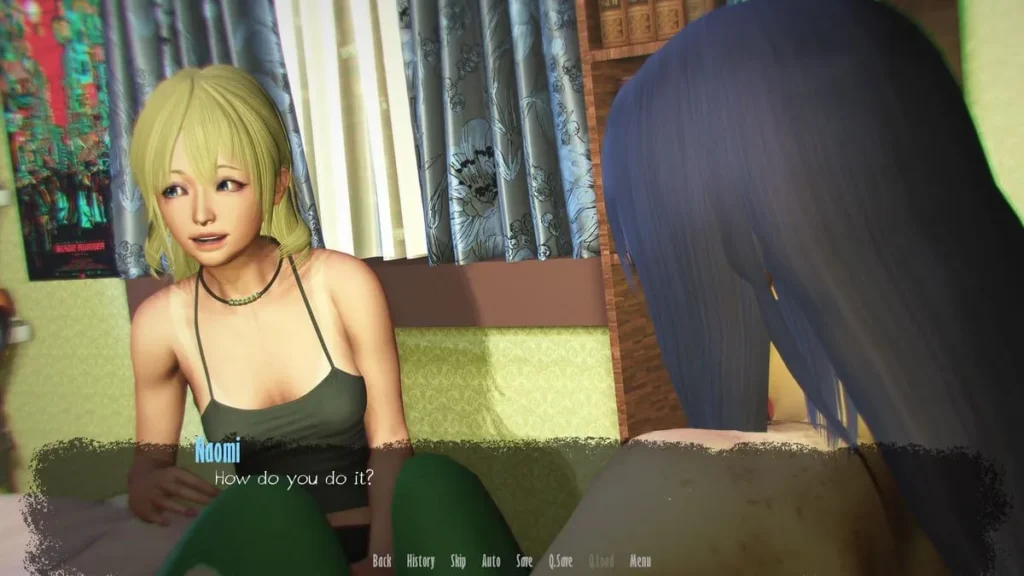
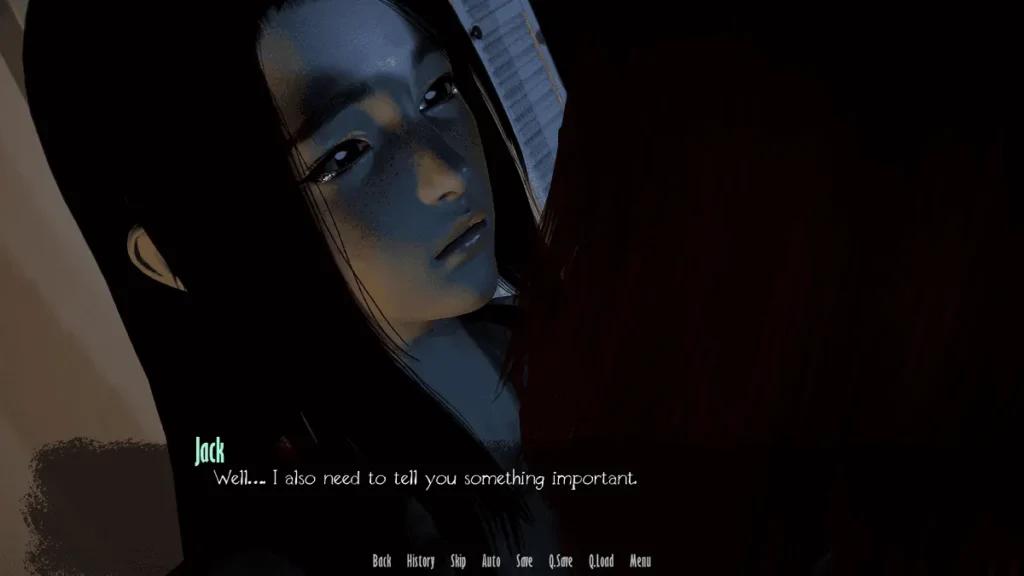
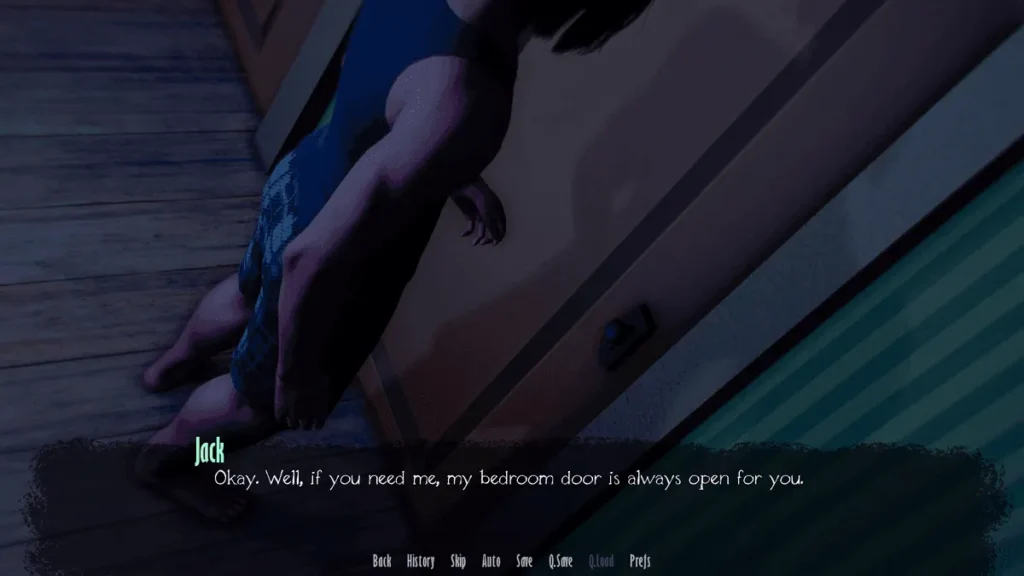

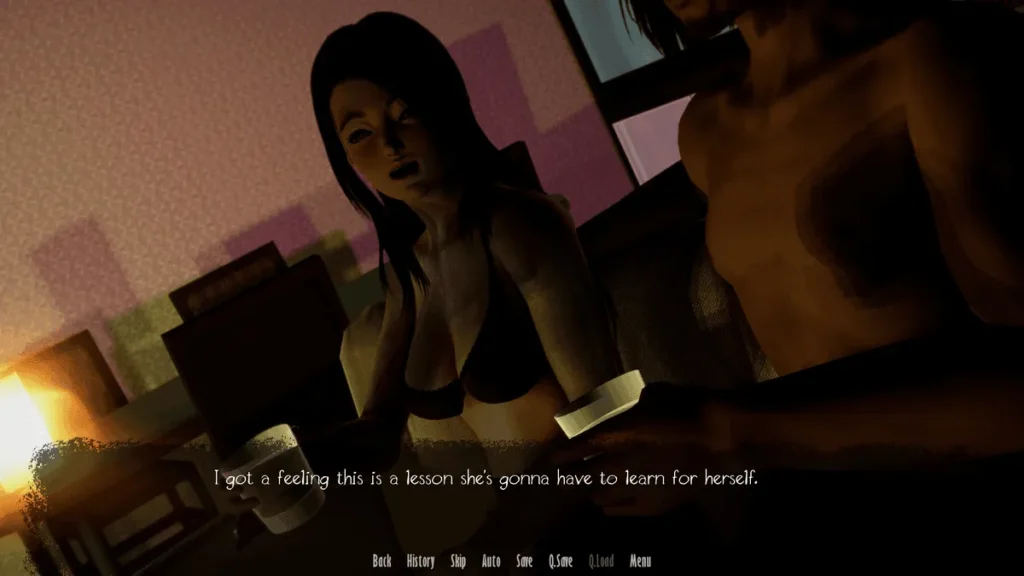

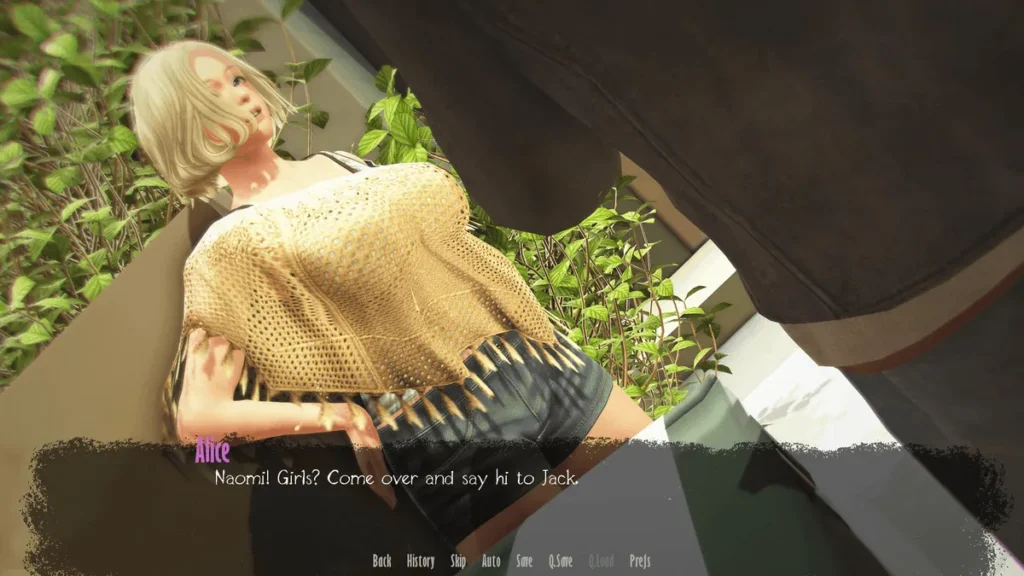
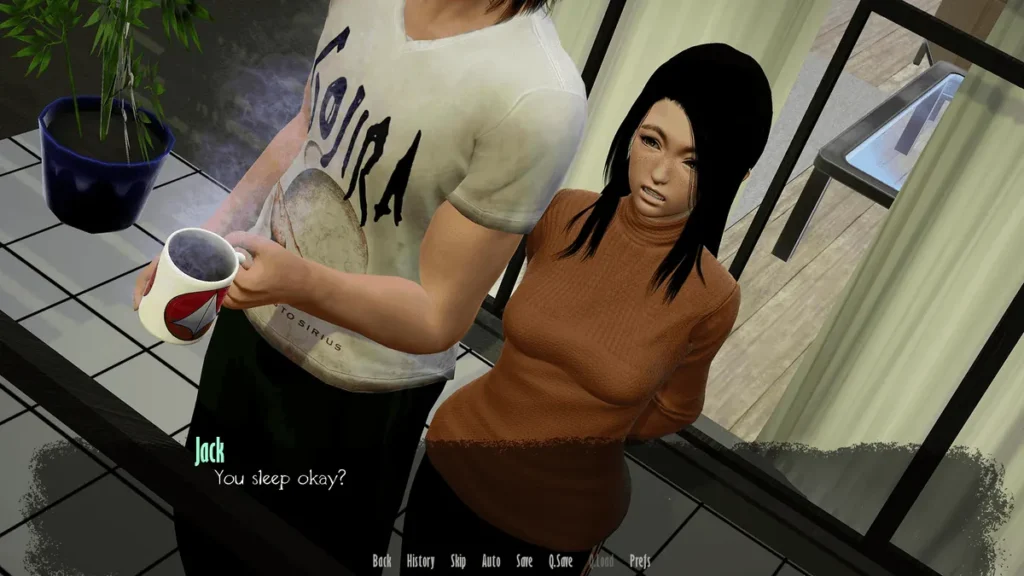
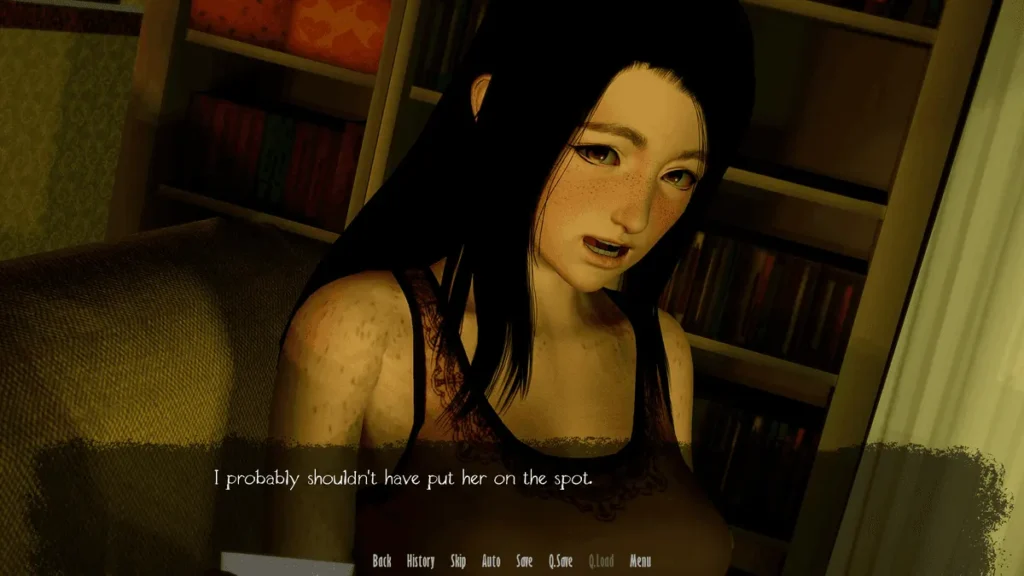
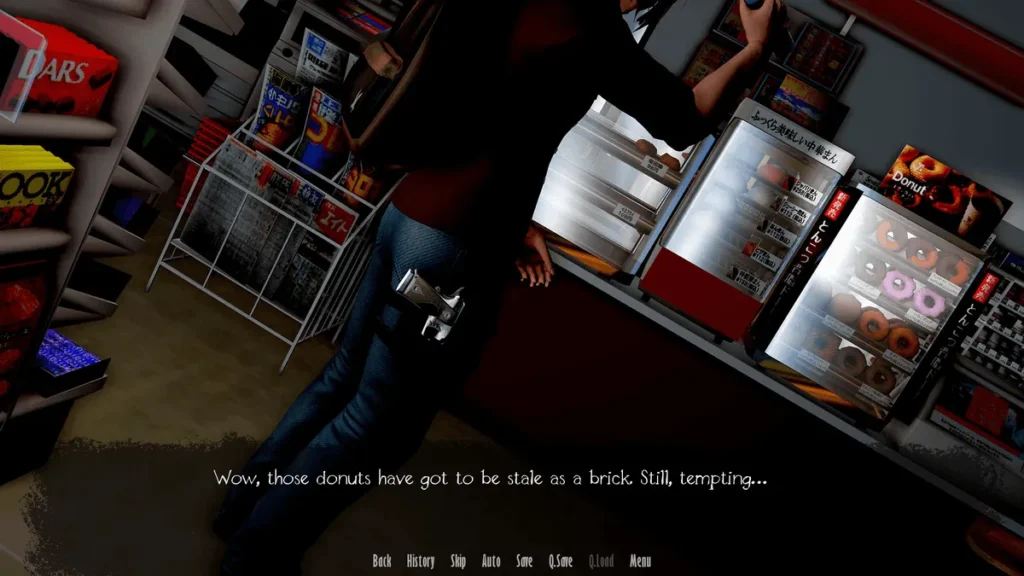
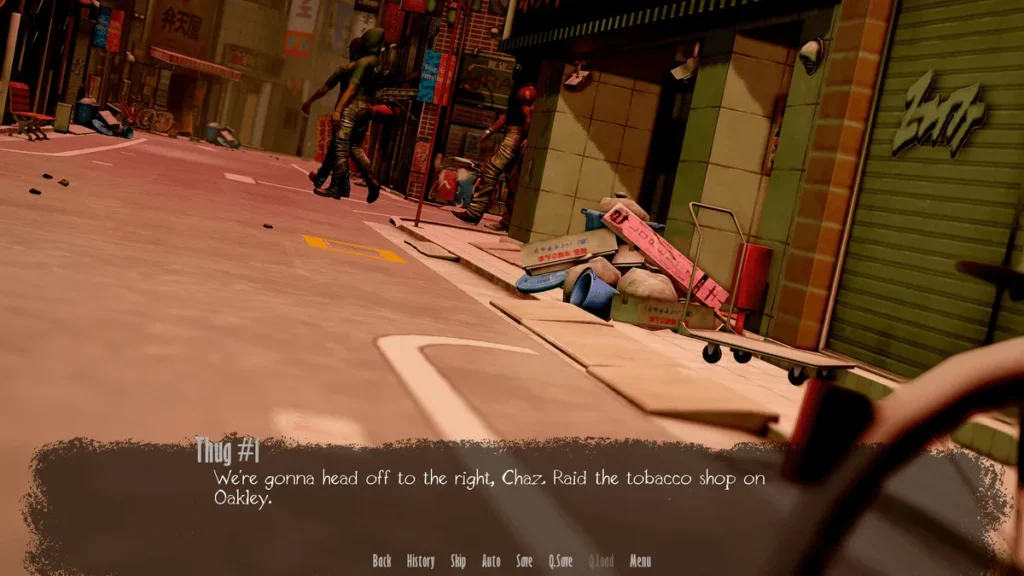
Now & Then review
Master every decision, unlock all scenes, and maximize your gameplay experience
Now & Then is a choice-based visual novel that offers players multiple branching paths, character relationships, and unlockable scenes. The game features a complex system where your decisions directly impact character stats, dialogue options, and available content. Whether you’re looking to maximize relationship points, unlock specific scenes, or discover all possible endings, understanding the mechanics of choice-based gameplay is essential. This guide breaks down the key systems, character paths, and strategic choices that will help you get the most out of your playthrough.
Understanding the Choice System and Point Mechanics
So, you’ve started playing Now & Then and you’re already at a crossroads, finger hovering over the mouse, paralyzed by two seemingly simple dialogue options. 😅 I’ve been there. In my first playthrough, I thought I was just being nice, but I accidentally ended up on a path where my character spent half the story giving another character the cold shoulder. I was baffled! That’s when I realized the genius—and the devilish complexity—of the Now & Then choice system. It’s not just about picking what feels right in the moment; it’s a delicate dance of invisible numbers and branching futures.
This complete Now & Then game guide is designed to pull back the curtain. We’re going to break down exactly how your decisions weave the story’s fabric. By understanding the stat tracking mechanics and the visual novel branching paths, you’ll transform from a passive participant into a master storyteller, ready to unlock every secret the game holds. 🗝️
How Points and Stats Work in Now & Then
At its heart, Now & Then is driven by a network of invisible meters that track your relationships and your protagonist’s state of mind. Think of them as the game’s memory. Every choice, big or small, is a deposit or withdrawal from these emotional bank accounts. The game doesn’t just judge you as “good” or “bad”; it judges your alignment with specific characters and ideals.
There are several core types of character relationship points you need to manage:
- Love Points (LP): 💖 The most straightforward. These measure romantic interest. A flirtatious compliment, a moment of vulnerability, or choosing to spend time alone with a love interest will boost these. High Love Points are your ticket to romantic endings and intimate scenes.
- Trust Points (TP): 🤝 This is about reliability and depth of friendship. Keeping a promise, offering sincere support in a crisis, or sharing a confidence builds Trust. High trust unlocks deeper backstory conversations and can make characters advocate for you in pivotal moments.
- Nerve Points (NP): 🧠 This is your protagonist’s internal meter. It reflects their confidence, resolve, and mental fortitude. Standing up for yourself, taking a calculated risk, or pursuing a difficult truth will boost Nerve. Letting yourself be pushed around or avoiding conflict drains it. Your Nerve level can unlock bold dialogue options and determine if you have the courage to see certain hard truths through.
- Conflict Points (CP): ⚔️ This isn’t always a “bad” stat. It measures tension and disagreement. Choosing a side in an argument, challenging a character’s flawed belief, or pursuing a path one character disapproves of will generate Conflict Points with them. Too many can lock you out of their path, but a certain amount might be necessary for a more dramatic, confrontational storyline.
Here’s a quick-reference table to visualize how this ecosystem works:
| Point Type | How It’s Typically Earned | Primary Gameplay Effect |
|---|---|---|
| Love Points (LP) | Flirtatious dialogue, romantic gestures, choosing one-on-one time. | Unlocks romantic endings, intimate scenes, and special affectionate dialogue. |
| Trust Points (TP) | Being reliable, keeping secrets, offering emotional support. | Unlocks deeper character backstories, secret revelations, and ally support in key scenes. |
| Nerve Points (NP) | Assertive choices, taking risks, pursuing investigations. | Unlocks bold dialogue and action options, determines resilience in stressful scenes. |
| Conflict Points (CP) | Disagreeing, choosing opposing paths, challenging characters. | Alters relationship dynamics, can lead to confrontational or antagonistic story branches. |
The magic (and the challenge) is that these points are often awarded in bundles. A single choice might give you +2 Love Points with Character A, +1 Trust with Character B, but also +1 Conflict with Character C because they witnessed the interaction and got jealous. This is the core of the Now & Then choice system: understanding that every action has multiple emotional reactions. 🎭
Pro Tip from My Playthrough: Don’t ignore Nerve Points! On my first try, I was so focused on being likable that my Nerve was in the gutter. When a crucial moment came to confront the antagonist, the only options available were to hesitate or back down—a massively unsatisfying story beat. Balance being kind with being strong.
Branching Choices and Their Consequences
This is where the visual novel branching paths truly come alive. Now & Then is masterful at creating a “teeter-totter” effect. Investing in one character’s path almost always means neglecting or even opposing another’s. The game rarely lets you have your cake and eat it too, which makes each playthrough uniquely personal.
Let me give you a case study from my own attempts to get a “perfect” ending. Midway through the story, there’s a festival. You can:
1. Go to the fireworks with the cheerful artist (boosting their Love and Trust).
2. Help the studious librarian with urgent research (boosting their Trust and Nerve).
3. Investigate a mysterious clue with the cautious friend (boosting Nerve and creating Conflict with the librarian, who thinks it’s a bad idea).
I initially reloaded my save, thinking I could do options 2 and 3 quickly one after the other. Nope. 🚫 Choosing the research immediately transitions the story to the next day; the clue vanishes, and the cautious friend is disappointed you didn’t take their lead. The choice consequences gameplay here is absolute. Selecting one branch closes others, sometimes permanently.
These branches aren’t just about big, chapter-ending choices. They are woven into daily conversations. Agreeing with one character’s worldview might be the “right” choice to build Trust with them, but if another character is present who holds an opposing view, you’ll see their expression cloud over in the background art—a visual cue that you’ve just lost points with them. This constant, subtle stat tracking mechanics is what makes the world feel so reactive.
It’s also crucial to know that infinite loops are not possible. You can’t keep replaying Chapter 3 to farm points with everyone. The game’s narrative progression is linear in that sense; once you pass a key decision node, the points are locked in, and the story moves forward on that branch. This design makes your choices feel weighty and meaningful, a cornerstone of great choice consequences gameplay.
Unlocking Alternate and Additional Dialogue
Now for the really fun part: making the story richer. Beyond just steering toward ending A, B, or C, your point totals act as keys that unlock special layers of interaction. This is the true art of dialogue options unlocking.
Think of it as having a “reputation” with each character. If your Love Points with the musician are just above average, you might get a sweet, generic compliment. But if you’ve maxed out their Trust and Love through consistent, thoughtful choices, that same story beat might trigger a deeply personal, vulnerable confession from them that completely recontextualizes their actions. You haven’t changed the plot point, but you’ve changed its emotional depth and meaning. ✨
Alternate dialogue often appears when you have exceptionally high or low stats. For example:
* High Nerve Path: A character tries to intimidate you. With low Nerve, you might stutter. With high Nerve, you get a new, cool-headed option to dissect their threat logically, which impresses a bystander.
* High Trust Path: A character is about to tell a half-truth. With standard Trust, the scene plays out. With high Trust, they pause, look at you, and decide to tell you the whole painful truth, unlocking a new scene of comfort afterward.
Furthermore, certain additional dialogue and scenes require specific sequences or combinations of choices. It’s not just about having a high number at the end; it’s about how you got there. The game remembers your history. Perhaps to unlock a character’s secret hobby, you need to have chosen the “ask about family” option earlier (gaining Trust), then later chosen the “offer to help with chores” option (demonstrating Love/Commitment), which then makes the “notice the hidden sketchbook” option appear in their room—a option that wouldn’t exist otherwise.
This is where a Now & Then game guide becomes invaluable. To see everything, you must plan your route like a strategist. Want the scene where the group bands together in a crisis? You might need moderate-to-high Trust with all major characters, not just maxed-out Love with one. It encourages replayability not as a chore, but as an archaeological dig into the story, uncovering new narrative gems each time. 🕵️♂️
FAQ: Your Choice Mechanics Questions, Answered
Q: I missed a key choice early on. Am I locked out of my favorite character’s ending?
A: Possibly, but not always! The Now & Then choice system is often about cumulative totals, not single decisions. While some crucial flags exist, many endings are achieved by having a high enough sum total of (Love + Trust) points minus Conflict by the final chapters. Use the later game to focus intensely on your chosen character to make up for a slow start.Q: How can I track my points without a guide?
A: Pay meticulous attention to character reactions! A bright smile, a blushing sprite, or a tender musical cue usually means points gained. A frown, a turned-away sprite, or a dissonant sound effect means points lost or Conflict gained. The game’s stat tracking mechanics are communicated through its art and sound.Q: Is there a “perfect” route where everyone likes me?
A: In short, no. The teeter-totter design of the visual novel branching paths makes a universally loved playthrough nearly impossible—and frankly, less interesting. The drama and authenticity come from the tensions your choices create. Embrace the conflict; it makes for a better story.
Mastering Now & Then is about embracing this interconnected web of cause and effect. It’s not a test you pass or fail; it’s a narrative instrument you learn to play. Each playthrough, armed with the knowledge of how character relationship points bend the story and how dialogue options unlocking works, becomes a conscious creation of your own unique tale. So go ahead, save often, experiment bravely, and see where your choices lead you next. The story is waiting to be reshaped by you. 🎮
Now & Then offers a rich, choice-driven experience where every decision shapes your journey through the game. By understanding the point system, character mechanics, and branching consequences, you can strategically navigate relationships and unlock the content that matters most to you. Whether you’re pursuing a specific character route, collecting all scenes, or discovering every possible ending, the key is planning your choices carefully and managing your saves effectively. The game rewards thoughtful decision-making and exploration, making each playthrough feel unique based on your selections. Take time to experiment with different paths, and don’t hesitate to reference guides when you want to optimize your experience or access specific content.