Monster Girl Dreams
Play Monster Girl Dreams
Monster Girl Dreams Screenshots
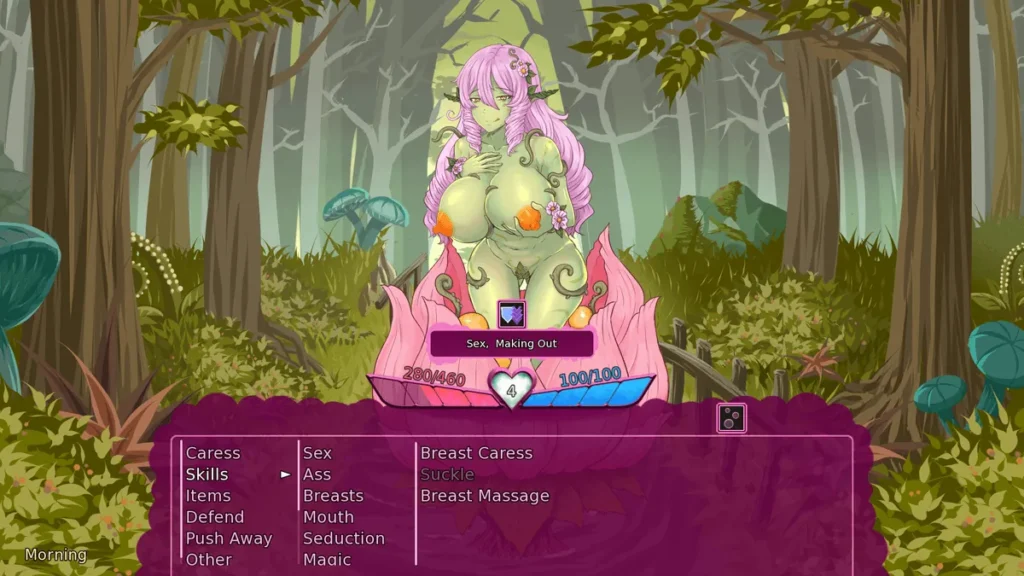
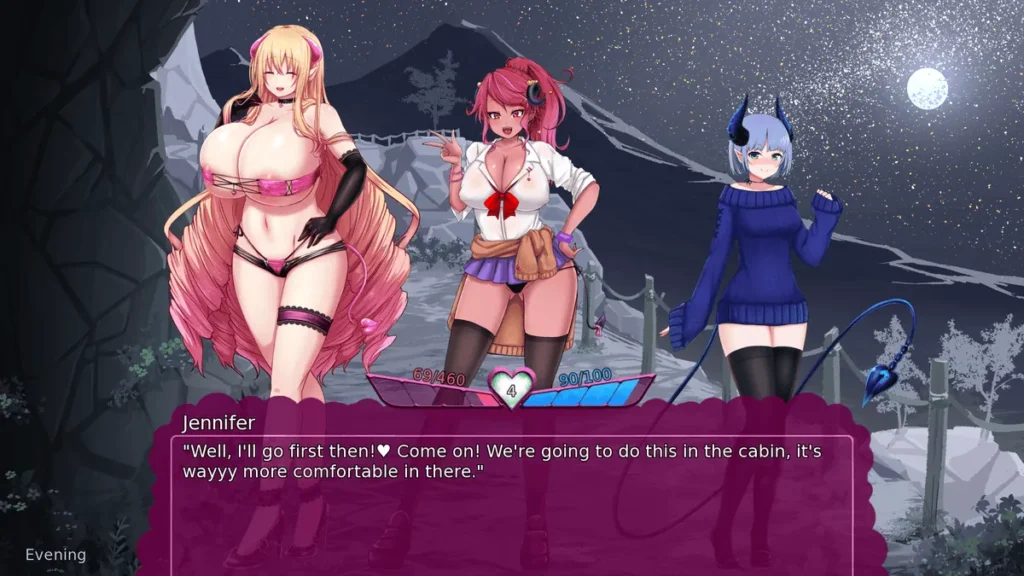
Monster Girl Dreams review
Master the mechanics, understand the story, and navigate the demon realm in this indie adventure
Monster Girl Dreams stands out as a unique indie adventure that combines narrative-driven gameplay with strategic mechanics set in a demon-filled world. Players take on the role of an adventurer trapped in Lucidia, a continent where monster characters pursue various objectives while navigating a pacifist curse that prevents physical violence. Understanding the game’s core systems, progression mechanics, and story branches is essential for anyone looking to experience everything this title has to offer. This guide breaks down the essential elements that make Monster Girl Dreams a distinctive gaming experience.
Understanding Monster Girl Dreams Core Gameplay Mechanics
Stepping into the world of Monster Girl Dreams is like walking into the most beautiful, welcoming trap you’ll ever experience. 🏰✨ You arrive in the stunning realm of Lucidia, a land filled with charming—if sometimes overly affectionate—monster girls. The sun is shining, the scenery is gorgeous, and then you get the bill. A cool one billion gold fee to leave. Suddenly, that warm welcome feels a lot more like a gilded cage. This mind-boggling price tag is the first major pillar of the Monster Girl Dreams gameplay mechanics, creating a goal so vast it shapes your entire journey.
But the developers didn’t stop there. They also slapped you with the infamous Pacifist Aura Curse. You can’t throw a punch, swing a sword, or cause any direct physical harm. In a world where you need to gather an unimaginable fortune, you’re forbidden from fighting your way to it. This brilliant, frustrating duo of constraints is what makes the Lucidia game world setting so uniquely compelling. It’s not just about where you are, but the incredibly specific rules you must play by. This chapter is your guide to mastering those rules, from understanding the delicate Monster Girl Dreams combat system to managing the often-grueling grinding in Monster Girl Dreams.
How the Game World and Setting Work
Welcome to Lucidia! A realm where the skies are (usually) clear, the inhabitants are curvaceous, and you are profoundly, utterly stuck. 🪤 The Lucidia game world setting isn’t just a pretty backdrop; it’s an active prison with two unbreakable laws that define every moment of your adventure.
First, the One Billion Gold Fee. Think of it as your cosmic hotel bill. To unlock the portal home, you need to pay it off. This isn’t a late-game goal; it’s the goal from minute one. Every task, every odd job, every interaction is filtered through the lens of “does this get me closer to that number?” It transforms the entire world into a giant, open-ended economy simulator.
Second, and most crucial for how you interact with that world, is the Pacifist Aura Curse. You are magically prevented from initiating violence. This means traditional RPG combat is off the table. You can’t grind monsters for experience and loot in a conventional sense. This curse forces a paradigm shift, making negotiation, evasion, and tactical withdrawal your primary tools for survival. It turns every potential conflict into a puzzle.
These two mechanics combine to create a set of core gameplay constraints that are as ingenious as they are demanding:
- The Economy is Your Progression: Since you can’t loot corpses for cash, you must earn gold through jobs, quests, mini-games, and clever resource trading. Your wealth is your primary measure of advancement.
- Conflict is a Resource Drain: “Battles” aren’t about winning so much as surviving without losing too much. Getting caught by a monster girl can cost you health, stamina, gold, and precious time—all resources you’re desperately trying to accumulate.
- Exploration is Risky & Rewarding: Venturing into new areas is essential for finding lucrative opportunities, but it also exposes you to stronger, more persistent encounters. The risk/reward calculation is constant.
- Your Body is a Meter: Health and Stamina aren’t just for combat. They’re required for working jobs, exploring dungeons, and enduring… social interactions. Managing these pools is a core survival skill.
This foundation makes the Monster Girl Dreams gameplay mechanics stand out. You’re not a heroic warrior; you’re a desperate entrepreneur trying to buy his freedom in a world that constantly distracts him.
Combat System and Progression Mechanics
So, how do you “fight” if you can’t throw a punch? 🤔 The Monster Girl Dreams combat system is a masterclass in turning a limitation into a deep, strategic experience. Forget health bars and damage-per-second calculations; here, success is measured by what you manage to keep.
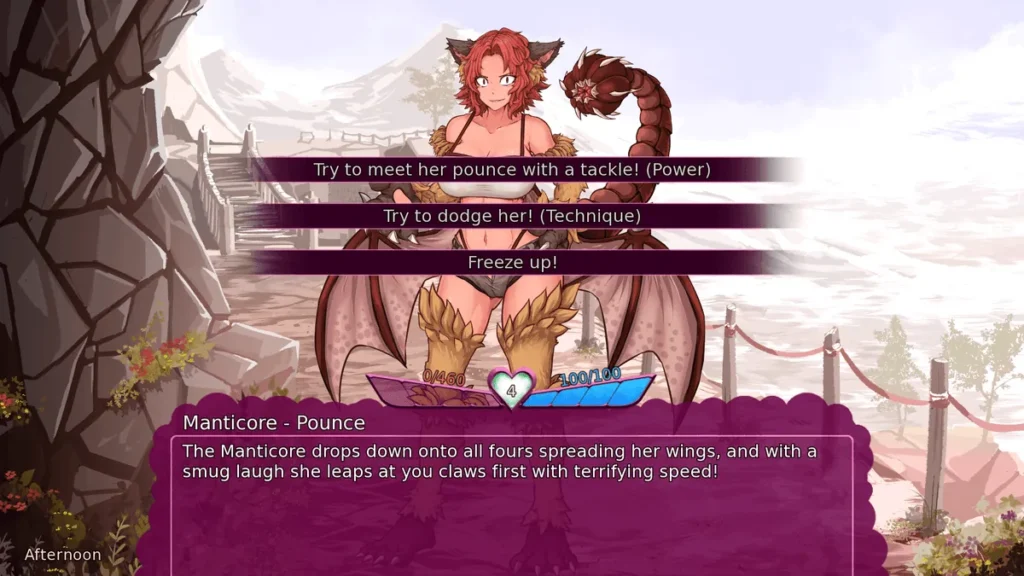
When a monster girl catches you (and she will), you don’t enter a traditional battle screen. You enter a struggle of endurance and willpower. Your goal is almost never to “defeat” her, but to endure her advances long enough to escape or to satisfy her… curiosity, so she lets you go. Your tools are defensive skills, dialogue choices, and consumable items that can boost your resolve, decrease her interest, or create an opening to run.
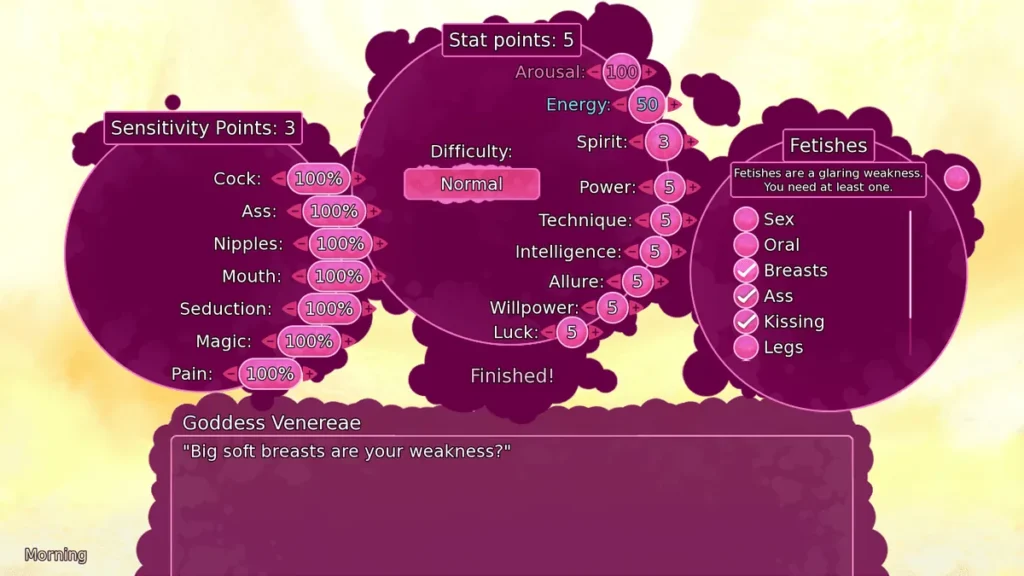
This is where game progression and leveling takes a unique turn. You don’t gain “Strength” or “Attack Power.” You level up attributes like Endurance, Willpower, Charm, and Cunning. These stats determine how long you can last in an encounter, how effectively you can negotiate, how well you can avoid detection, and how successfully you can perform certain jobs or mini-games. It’s a system that perfectly complements the pacifist theme.
However, this is also where one of the game’s biggest challenges rears its head: enemy scaling difficulty. As you grow stronger and richer, the world of Lucidia reacts. Monster girls in older areas might become more aggressive, and new, more potent ones appear. The problem many players cite is that this scaling can sometimes feel punishing. Your Endurance might go up by 10, but a new enemy’s ability to drain it might feel like it’s gone up by 20. This perceived imbalance is at the heart of many complaints about grinding in Monster Girl Dreams.
Nowhere is this more apparent than in the game’s notorious second dungeon. 🏔️ If the first area was a tutorial, the second dungeon is the final exam you didn’t study for. The difficulty spike is severe. The monster girls here are faster, their patterns are trickier to avoid, and failed encounters can set you back significantly. It’s a major wall for players, forcing a shift from casual exploration to focused stat-building and resource farming.
To give you a clear picture of what you’re up against, here’s a breakdown of the progression curve:
| Game Stage / Dungeon | Core Challenge | Recommended Player Endurance/Willpower | Estimated Grinding Time to Prepare* |
|---|---|---|---|
| Lucidia Plains (Starting Area) | Learning evasion, basic jobs, simple encounters. | 1-10 | 1-2 Hours |
| Whispering Caverns (1st Dungeon) | Introduction to dungeon mechanics, tighter spaces, longer encounters. | 15-25 | 3-5 Hours |
| Frostfang Peak (2nd Dungeon) | Major difficulty spike. Aggressive, high-drain enemies. Requires optimized gear and stats. | 35-50+ | 8-15+ Hours |
| Mid-Game Areas & Cities | Advanced jobs, complex quest lines, managing multiple resource types. | 50-80 | Ongoing, integrated into questing |
*Time estimates vary based on player skill and efficiency. The second dungeon is famously where casual play hits a wall.
My Personal Insight: I hit the Frostfang Peak wall hard. I thought my stats were decent, but I was repeatedly overwhelmed. I had to take a full step back, ignore the main path, and spend hours doing the most efficient gold and stat-grinding loops I could find in the earlier areas. It felt repetitive, but finally breaking through that barrier was incredibly satisfying. It taught me that in Monster Girl Dreams, preparation isn’t optional; it’s the core gameplay loop.
This table highlights the enemy scaling difficulty in practice. The jump to the second dungeon isn’t gradual—it’s a cliff. Be prepared for it, and don’t be afraid to grind.
Resource Management and Grinding Systems
If the combat is about defense, and the goal is about wealth, then the engine that makes it all run is resource management. 🧮 This is where Monster Girl Dreams truly earns its stripes as a thoughtful resource management indie game. You’re not just managing gold; you’re juggling a whole ecosystem of interdependent assets.
Your Key Resources:
* Gold: The big one. Earned from jobs (bartending, foraging, etc.), completing quests, winning mini-games, and selling crafted items.
* Health & Stamina: Your daily fuel pools. They deplete from work, exploration, and encounters. Resting restores them, but time passes.
* Time: The hidden currency. Days and nights cycle, some jobs are only available at certain times, and resting consumes it. Efficient time management is crucial.
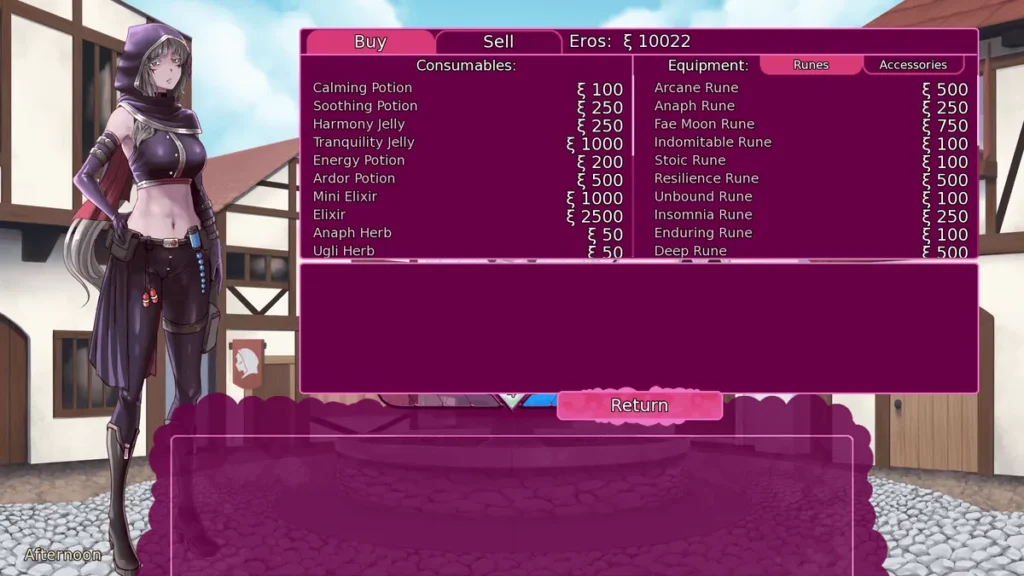
* Consumables: Food, drinks, and magical items that restore health/stamina, provide temporary stat boosts, or help you escape encounters.
* Crafting Materials: Gathered from the environment or as quest rewards, used to create better consumables or sellable goods.
The core gameplay loop becomes a tight circle of: Work for Gold -> Use Gold for Better Food/Gear -> Use Gear to Work More Efficiently or Explore Safely -> Repeat. Grinding isn’t just about making numbers go up; it’s about investing in the infrastructure that lets you make more numbers go up, faster.
So, what about the infamous grinding in Monster Girl Dreams? Is it excessive? 🥱 From my experience, it can feel that way if you’re impatient. The game is designed for a slower, more methodical pace. The key is to grind smarter, not harder.
Actionable Grinding & Management Advice:
- Identify Gold-Per-Hour Activities: Early on, find one or two reliable jobs you’re good at. Maybe it’s the fruit-picking mini-game or a simple fetch quest. Stick to them to build a bankroll.
- Invest in Upgrades Early: Your first big gold purchases shouldn’t be fancy clothes; they should be a better bed (restores more health/stamina per hour of sleep) and cooking utensils (lets you make cheaper, better food than buying it).
- The Stamina > Time > Gold Rule: Prioritize activities that use less stamina for the gold they give. If a job pays 100 gold but drains 80% of your stamina, forcing a long rest, it’s worse than a job that pays 70 gold but only uses 30% stamina, letting you work again sooner.
- Don’t Ignore Side Quests: They often provide unique rewards, unlock new areas or job opportunities, and break the monotony of pure grinding. They are your best source of meaningful game progression and leveling.
- Prepare Before Dungeon Dives: Frostfang Peak taught me this. Before entering a new dangerous area, stock up on your best escape items and healing food. An hour of preparation can save three hours of lost progress from a failed encounter.
The Monster Girl Dreams combat system and its overall economy are deeply intertwined. Every decision to explore risks your resources, and every resource spent is gold not saved for your freedom. This constant tension is the soul of the game. It forces you to engage with every system, from cooking to conversation.
Mastering the Monster Girl Dreams gameplay mechanics is about embracing this unique rhythm. It’s accepting that you are not an all-powerful hero, but a determined soul working within a set of bizarre and strict rules. The Lucidia game world setting is your prison and your playground. The grind is real, the enemy scaling difficulty is daunting, but by treating the game like the deep resource management indie game it is, you can build your path to freedom—one gold piece, one stat point, and one narrow escape at a time. 🗝️💰 Now, go out there and start hustling. That billion gold won’t earn itself
Monster Girl Dreams offers a distinctive gaming experience that blends narrative-driven adventure with strategic progression mechanics in a uniquely constrained world. The game’s core appeal lies in its character-driven storytelling, multiple branching endings, and the challenge of navigating a world where traditional combat is restricted by the pacifist curse. While the grinding requirements and enemy scaling present significant challenges that some players find frustrating, others appreciate the depth these systems add to progression planning. Understanding the game’s mechanics, story structure, and community reception helps prospective players determine whether Monster Girl Dreams aligns with their gaming preferences. Whether you’re drawn to the narrative elements, the strategic gameplay, or the character interactions, Monster Girl Dreams delivers a memorable indie experience that stands apart from mainstream titles. For those willing to invest time in mastering its systems and exploring its various endings, the game provides substantial replay value and engaging content.