Dreaming of Dana
Play Dreaming of Dana
Dreaming of Dana Screenshots
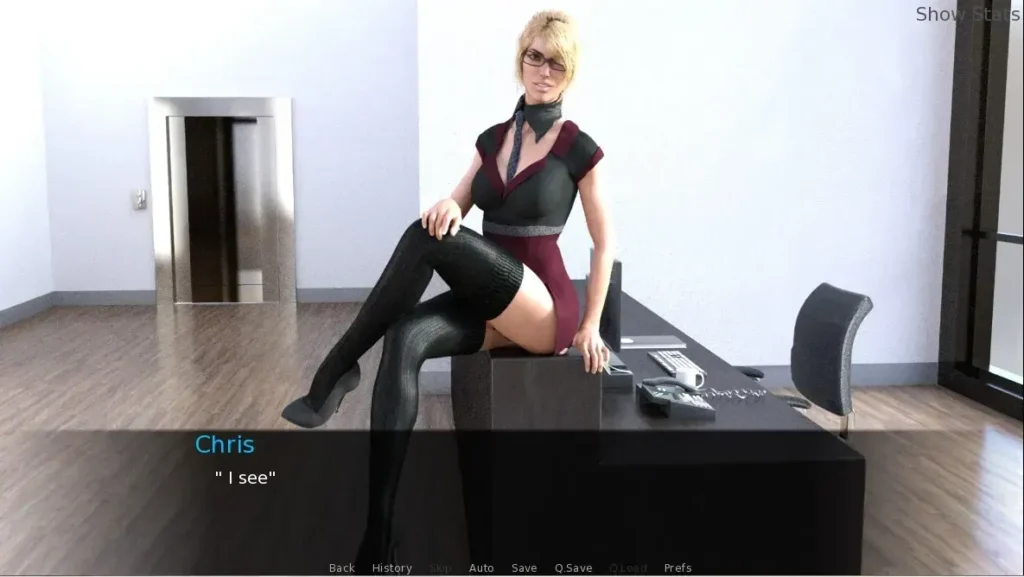
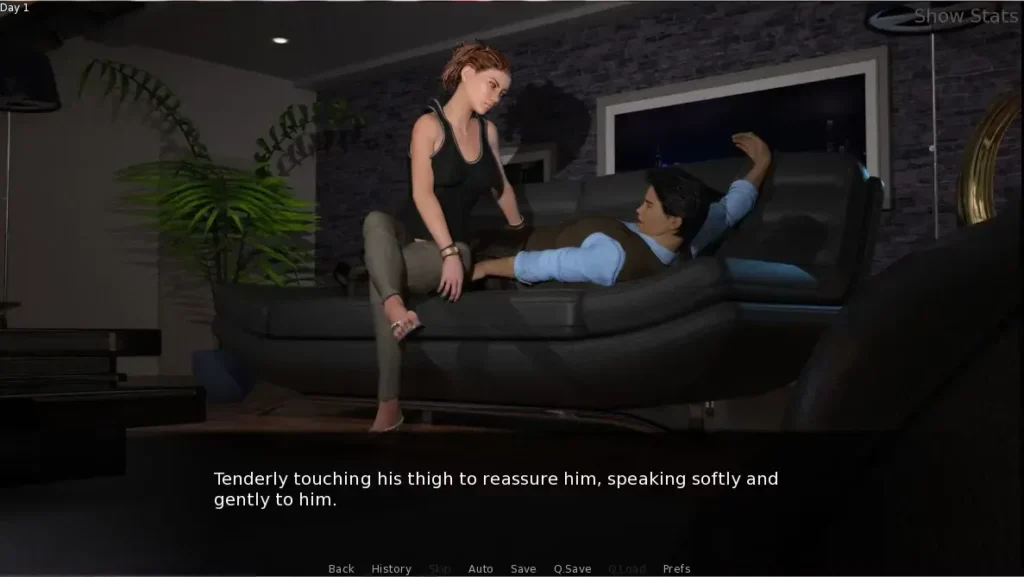
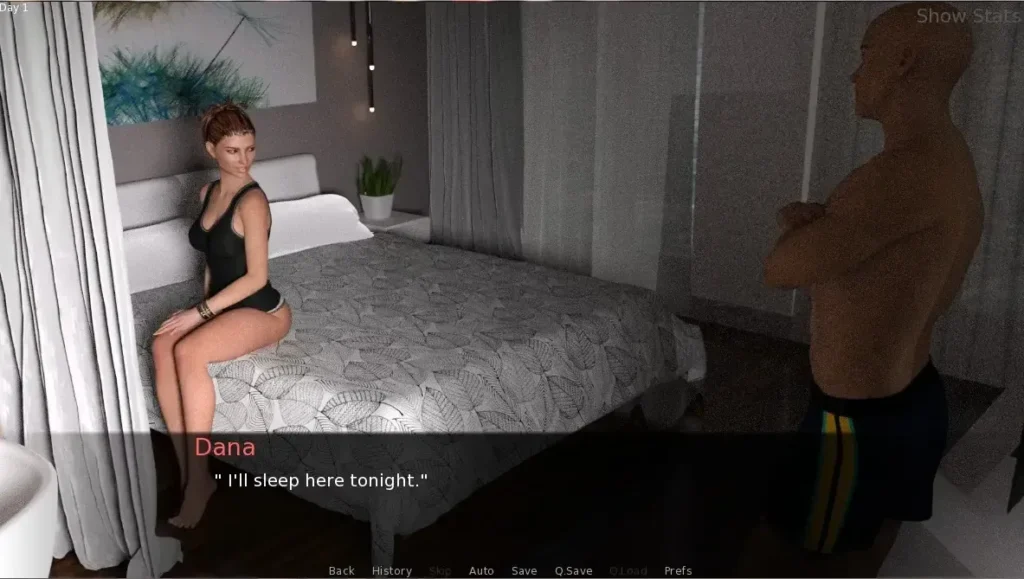
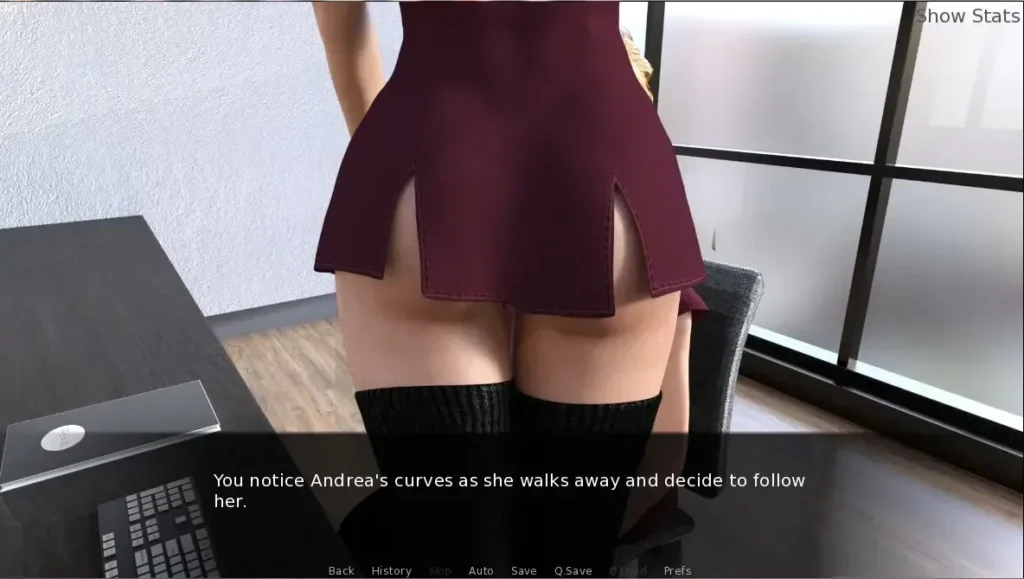
Dreaming of Dana review
Explore Gameplay, Characters, and Tips for Dreaming of Dana
Dreaming of Dana is a unique interactive experience that combines storytelling with engaging gameplay. This article dives deep into the game’s features, characters, and strategies, offering insights for both newcomers and seasoned players. Whether you’re curious about how to progress or want to understand the game’s nuances, this guide covers everything you need to know about Dreaming of Dana.
Understanding Dreaming of Dana: Gameplay and Story Overview
Ever found yourself scrolling through your game library, fingers hovering over the same old titles, and just feeling… stuck? 😴 I’ve been there. So many games promise epic adventures, but the actual moment-to-moment play can feel repetitive. I was craving something that felt less like pushing buttons and more like having a real conversation, where my decisions carried a genuine emotional weight. That’s when I stumbled into the haunting, beautiful, and deeply personal world of Dreaming of Dana.
This isn’t your standard action RPG or puzzle-platformer. It’s an experience that lives in the quiet moments and the echoes of memory. If you’re looking for a guide to its heart and soul, you’ve come to the right place. Let’s pull back the curtain on what makes this game so special. ✨
What is Dreaming of Dana?
At its core, Dreaming of Dana is a first-person, narrative-driven exploration game built around the power of memory and choice. You don’t play as Dana; instead, you play as someone deeply connected to her, navigating a surreal, dream-like landscape built from her subconscious. The core appeal is its atmospheric storytelling and its commitment to making you an active participant in piecing together a life story.
The Dreaming of Dana gameplay loop is less about combat or scores and more about observation, interaction, and introspection. The world itself is the primary character, whispering secrets and hiding truths in every shadowy corner and sun-dappled memory. Your goal is to understand Dana—her joys, her regrets, her hidden fears—by interacting with the symbolic fragments of her past. This creates a uniquely intimate connection between you, the player, and the Dreaming of Dana characters who populate her world.
Think of it as part detective story, part emotional archaeology. You’re not just running and jumping; you’re listening, connecting dots, and making choices that alter how the narrative unfolds. This focus on interactive game mechanics that serve the story is what truly sets it apart.
Core Gameplay Mechanics
The magic of how to play Dreaming of Dana lies in its deceptively simple toolset. You won’t find a complex inventory or skill trees here. Instead, you are equipped with your curiosity and a few key abilities that let you interface with the dream world. The genius is in how these mechanics are woven seamlessly into the narrative.
The primary action is Environmental Interaction. You can examine, manipulate, and combine objects within a scene. A music box isn’t just decor; winding it might change the entire mood of the memory, revealing new pathways or hidden objects. A faded photograph might become clearer as you uncover related items, literally bringing the past into focus.
Then there’s the Memory Resonance system. This is the game’s standout gameplay feature Dreaming of Dana employs. By focusing on key emotional objects—a childhood toy, a torn letter—you can “trigger” a memory. This doesn’t just play a cutscene; it often transforms the environment around you, letting you walk through the memory as it happened. It’s a breathtaking way to experience story.
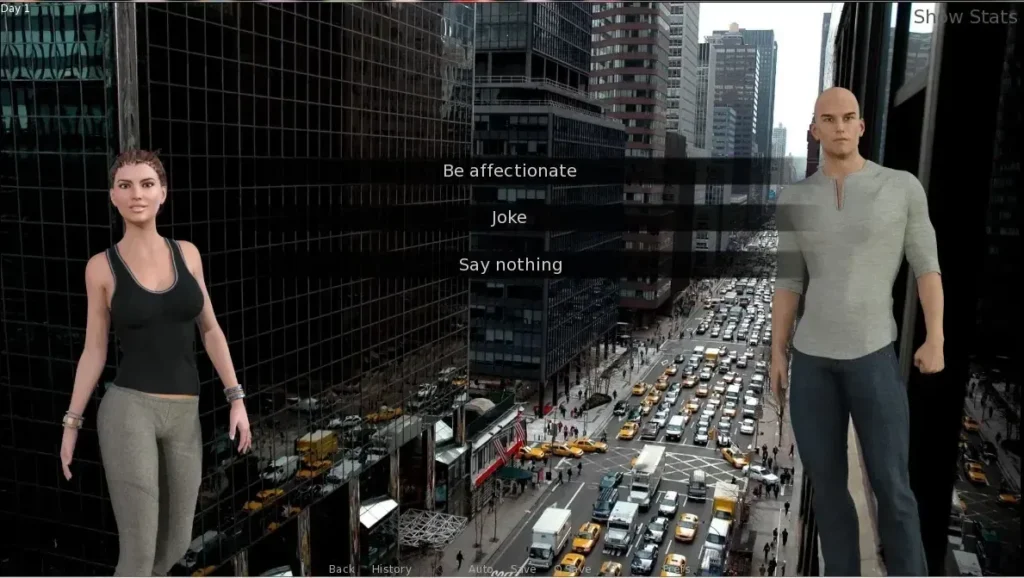
Finally, the Dialogue and Choice system is where your agency truly shines. Conversations with spectral echoes of people from Dana’s life present you with narrative choices in Dreaming of Dana. These aren’t always clear “good or bad” options. They might be about offering comfort, seeking truth, or deciding which facet of a memory to pursue. Each choice subtly branches the story, influencing which memories you unlock and ultimately, which version of Dana’s story you piece together.
To break it down, here’s a summary of these core systems:
| Mechanic | Primary Function | Impact on Story |
|---|---|---|
| Environmental Interaction | Examine, manipulate, and combine objects in the dream world. | Reveals hidden clues, alters scenes, and unlocks new narrative threads. |
| Memory Resonance | Focus on charged objects to trigger playable memory sequences. | Unlocks core story segments, provides character backstory, and changes the environment. |
| Dialogue Puzzles | Choose responses in conversations to navigate emotional states. | Directly branches the narrative, determines relationship outcomes, and influences the ending. |
| Atmospheric Navigation | Explore non-linear dream spaces guided by light, sound, and emotion. | Controls the pacing of discovery and allows for personal exploration of Dana’s psyche. |
Mastering these interactive game mechanics is less about technical skill and more about learning to “listen” to the game’s visual and auditory language. 🎧 The flicker of a light, the direction of a breeze, a recurring melody—these are your guides.
Storyline and Character Dynamics
The Dreaming of Dana story is a fragile, beautiful thing. It avoids a traditional three-act plot, instead unfolding like a mosaic. You begin in a nebulous, shifting space—Dana’s mind. Your initial goal is simply to find her, but you quickly learn that to do that, you must understand the people and moments that defined her.
Dana herself remains an enigma you solve through reflection. You see her through the lenses of her childhood, her friendships, her loves, and her losses. Is she the joyful girl in the summer memory, or the weary woman in the later, more somber recollections? The game challenges you to hold all these versions at once. The supporting Dreaming of Dana characters—parents, a first love, a lost friend—appear as echoes. Your interactions with them don’t change what happened in the past, but they profoundly change how that past is remembered and reconciled in the present.
I’ll never forget my first major narrative crossroad. I encountered the echo of Dana’s father. The memory was cold, filled with the sound of a slamming door. I had a choice: to confront him with a found letter that placed blame, or to offer the photograph of a happier time I’d discovered earlier. I chose the photograph. The memory didn’t vanish, but it softened. The door in the dreamscape remained, but it was slightly ajar, with light spilling out. It was a powerful lesson: this game isn’t about being “right,” but about seeking healing. This is the profound power of narrative choices in Dreaming of Dana.
The story progression is non-linear. You might stumble upon a painful late-life memory early on, and only hours later uncover the childhood innocence that preceded it, casting everything in a new, heartbreaking light. This structure mirrors how real memory works—in flashes, out of order, with emotional logic trumping chronological logic every time.
What makes the Dreaming of Dana gameplay so engaging here is that you are never a passive viewer. You are the curator, the therapist, the detective. You decide which threads to pull on. Do you delve into the radiant memories of a summer romance, or brave the murky waters of a falling-out with a best friend? Your path shapes your unique understanding of Dana, making the final revelations feel deeply personal and earned.
This is the true genius of the Dreaming of Dana story and its characters. It presents you with the raw materials of a life—the objects, the places, the echoes of voices—and trusts you to assemble the meaning. It’s a game that stays with you long after you put down the controller, prompting you to look at your own memories and relationships with a more tender, inquisitive eye. 💭
Ultimately, Dreaming of Dana is an invitation to listen closely—to a story, to a character, and to the subtle prompts of your own intuition as you play. Its fusion of innovative interactive game mechanics with a poignant, player-driven narrative creates an experience that is less about “winning” and more about understanding. And in today’s gaming landscape, that kind of brave, quiet storytelling is a gift.
Dreaming of Dana offers a compelling blend of narrative depth and interactive gameplay that captivates players through its unique character-driven story. By understanding its mechanics and story elements, players can fully immerse themselves and enjoy a rich gaming experience. Whether you’re exploring for the first time or returning to uncover new paths, Dreaming of Dana provides engaging content worth exploring. Dive in and discover the many layers this game has to offer.